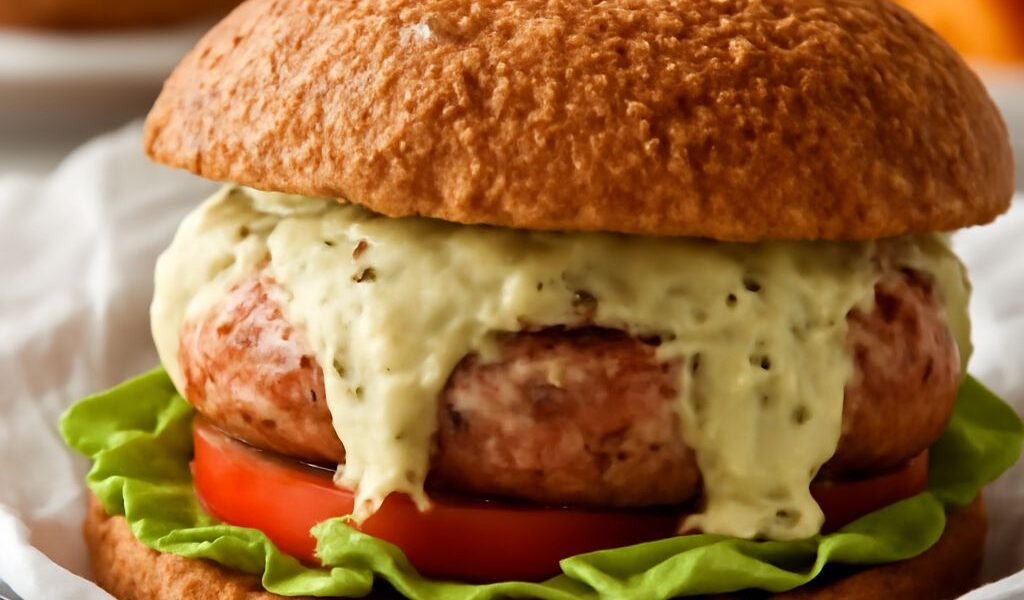
The beloved sammich — that affectionate, casual term for a great sandwich — occupies a special place in American food culture. Whether you’re building the perfect sammiches at home, scanning a fish fry menu for the ideal breaded fish sandwich, ordering a black tan specialty beer-and-food combination at a neighborhood bar, or exploring the expanded offerings of a grill 2 restaurant concept, the sandwich and its associated dining experiences offer endless variety and satisfaction. This guide covers what makes each of these food experiences worth seeking out.
A truly great sandwich — or sammich, in the parlance of those who make them with genuine affection — is one of the most satisfying foods in the world. The combination of great bread, quality filling, and thoughtful condiment selection produces something greater than the sum of its components. Understanding what separates an exceptional sammich from a mediocre one makes every sandwich experience more rewarding.
The Art of the Perfect Sammich
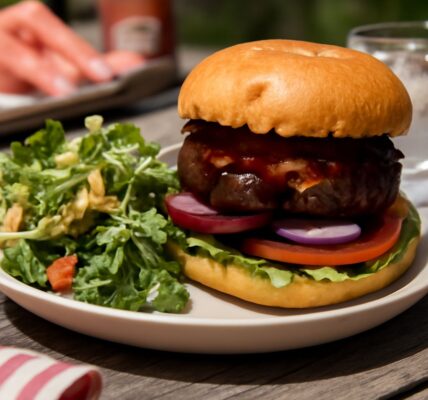
What Makes a Sammich Truly Great The sammich at its best is a carefully engineered eating experience. The bread must have enough structural integrity to contain the filling without becoming soggy, yet enough softness to compress pleasantly with each bite. A great sammich matches its bread to its filling: robust proteins like pastrami or Italian beef demand sturdy, chewy bread; delicate tuna salad benefits from soft white bread that doesn’t overwhelm the filling. The sammich philosophy prioritizes the ratio of bread to filling — too much bread and the sandwich becomes heavy and flavorless; too little and it falls apart before you can finish it.
Building Exceptional Sammiches at Home
The art of building great sammiches at home centers on a few non-negotiable principles: use room-temperature bread (cold bread from the refrigerator has poor texture), apply condiments to both bread surfaces (this prevents the filling from sliding), layer ingredients strategically (dense items toward the center, lighter items toward the edges), and don’t overfill. Exceptional sammiches also benefit from textural contrast: something crunchy (pickles, lettuce, onion) alongside something creamy (avocado, aioli, cheese) creates a multi-dimensional eating experience. The best sammiches are planned rather than assembled randomly — think about what each ingredient contributes before adding it.
Fish Fry Menu: A Weekend Tradition
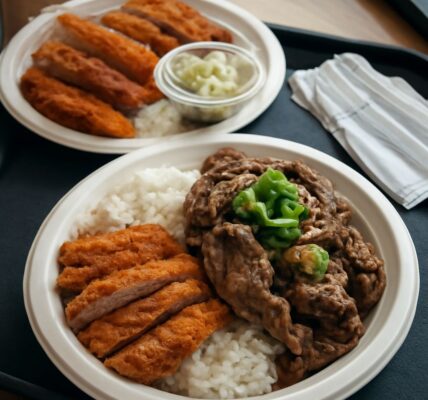
The Classic Fish Fry Menu Experience The fish fry menu is a beloved dining institution in the Midwest and parts of the South — typically offered on Fridays and featuring beer-battered or breaded fish served with coleslaw, tartar sauce, rye bread, and potato preparations. A great fish fry menu balances the richness of fried fish with acidic accompaniments — the tartness of coleslaw, the tang of tartar sauce, the vinegar note in a good pickle all cut through the fat and keep the meal from becoming heavy. The fish fry menu tradition is as much social as culinary: these events are community gatherings where the food is the occasion for connection rather than merely the reason to eat.
What to Look for on a Fish Fry Menu
Quality indicators on a fish fry menu include: fresh (not frozen) fish specified by species rather than generic “white fish,” house-made batter with visible carbonation from fresh beer or sparkling water, scratch-made coleslaw dressed to order rather than pre-mixed, and house-made tartar sauce with capers and fresh herbs. A fish fry menu that offers cod, walleye, perch, or lake trout as specific options is typically sourcing with more care than one offering only “fried fish.” The best fish fry menu operations treat their fish fry tradition as a point of pride and maintain the same standards Friday after Friday regardless of how busy the evening becomes.
Black Tan and Grill 2: Bar and Grill Dining
What Is a Black Tan and Why It Matters A black tan is a layered beer cocktail combining a dark beer (typically Guinness or another stout) floated on top of a pale ale or lager — the density difference between the two beers creates the distinctive two-toned appearance. Ordering a black tan in a bar context signals a certain knowledgeability about beer and a preference for complexity over simplicity. The black tan pairing with food works exceptionally well alongside savory, protein-forward dishes: the roasted, malty notes of the stout complement grilled meats, smoked items, and aged cheeses in the same way red wine pairs with red meat. Understanding the black tan’s flavor profile helps you order food that complements rather than clashes with this layered beverage.
Exploring a Grill 2 Restaurant Concept
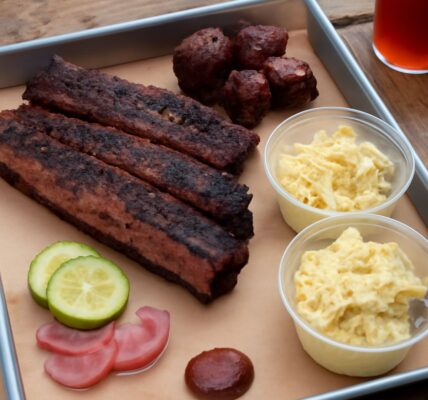
A grill 2 restaurant concept typically refers to either a sequel or expanded location of an established grill restaurant — bringing the same culinary identity to a second venue — or a restaurant that operates two distinct grill stations simultaneously to expand capacity and menu range. The grill 2 format often allows the kitchen team to separate different cooking applications: one grill running hot for quick-sear proteins, the second running lower for longer cook preparations like whole fish, thick-cut chops, and vegetable preparations that require more time without the risk of burning. A grill 2 operation that uses its dual capacity intelligently can produce more consistently excellent results across a broader menu range than a single-grill kitchen of comparable size.