How to Spend Less on Groceries: Practical Ways to Cut Food Budget and Lower Your Grocery Bill
Knowing how to spend less on groceries is one of the most valuable financial skills a household can develop. The ability to how to cut food budget effectively — without sacrificing nutrition, variety, or enjoyment — requires a combination of planning discipline, shopping strategy, and cooking knowledge. If you’re wondering how to lower grocery bill amounts that feel stubbornly high, or looking for specific tactics on how to cut grocery costs, this guide covers the most effective strategies. We’ll also show you exactly how to cut costs on groceries through both behavioral changes and practical shopping techniques.
Grocery spending is one of the few household expenses where intelligent decisions can produce immediate, measurable results. Unlike rent or insurance premiums, grocery bills respond directly to the choices you make before and during each shopping trip. The strategies below are designed to be practical, sustainable, and genuinely effective.
Planning Strategies for Spending Less on Groceries
The Meal Plan Method: How to Spend Less on Groceries Through Preparation The single most effective answer to how to spend less on groceries is consistent meal planning. A weekly meal plan transforms your shopping from an open-ended browsing exercise into a targeted purchasing mission with a clear, defensible list. Households that meal plan consistently report 15–25% lower grocery spend compared to those that shop without a plan. To start: block 20 minutes each week to plan five to six dinners, identify the ingredients needed for each, cross-reference with what you already have, and build a precise shopping list. This simple habit addresses both the impulse purchase problem and the food waste problem simultaneously — two of the biggest drivers of grocery overspending.
How to Cut Food Budget with a Smarter Pantry System
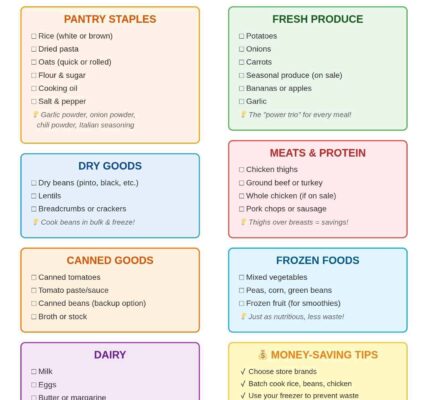
Learning how to cut food budget at the source means developing a pantry system that eliminates duplicate purchases and forgotten items. A well-organized pantry is visible and accessible — you know exactly what you have and can plan meals around existing inventory before buying more. Implement a first-in-first-out rotation system (newer items go to the back, older ones come to the front) to prevent expiration waste. Categorize your pantry by ingredient type so you can quickly assess what’s available when planning. Households with organized pantries make fewer emergency grocery runs, spend less on replacing forgotten items, and waste significantly less food — all of which directly reduce monthly grocery expenditure.
In-Store Tactics to Lower Your Grocery Bill
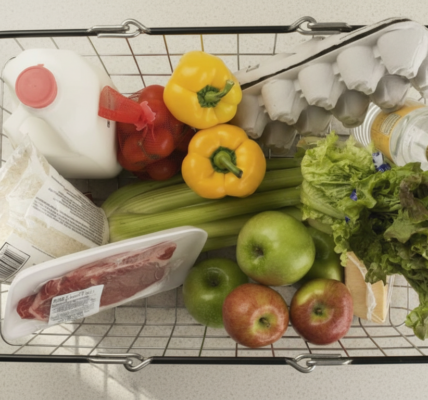
How to Lower Grocery Bill Amounts While Shopping Practical tactics for how to lower grocery bill amounts during the shopping trip itself include: shopping on a full stomach (hungry shoppers spend significantly more), using a basket instead of a cart when possible (limits how much you can buy), setting a timer and moving quickly through the store (reduces browse time and impulse opportunities), and shopping during off-peak hours when you’re less rushed and can make more deliberate decisions. None of these tactics requires willpower in the conventional sense — they work by structuring the environment to make impulsive decisions less likely. How to lower grocery bill amounts is fundamentally about system design, not self-discipline.
How to Cut Grocery Costs with Strategic Brand Switching
Understanding how to cut grocery costs through brand strategy can reduce your grocery bill by 15–30% with minimal lifestyle impact. Store brands (generic or private label products) are manufactured by the same facilities that produce national brands in many categories — the quality difference is often zero or imperceptible. Identify the categories where you’ll notice no difference between national brand and store brand: canned goods, frozen vegetables, flour, sugar, spices, pasta, cooking oils, and household cleaning products are all excellent candidates for brand switching. Save national brand preferences for the categories where you genuinely notice a difference — this targeted approach to how to cut grocery costs maximizes savings without sacrificing the products that matter most to you.
Cooking and Food Practices That Reduce Grocery Spending
How to Cut Costs on Groceries Through Better Cooking Habits The most durable approach to how to cut costs on groceries involves developing cooking skills that stretch ingredients further. Whole-animal and whole-vegetable cooking — using every part of a chicken (carcass for stock, organ meat in preparations), every part of a vegetable (broccoli stems in stir-fries, carrot tops in pesto) — dramatically reduces food waste and spending. Learning to make stock from kitchen scraps, bread from basic pantry staples, and sauces from scratch eliminates expensive convenience purchases. How to cut costs on groceries becomes much easier when you know how to transform inexpensive ingredients into genuinely satisfying meals through technique rather than expensive ingredients.
How to Spend Less on Groceries by Reducing Food Waste
Knowing how to spend less on groceries long-term means addressing the food waste problem directly. The average American household discards approximately $1,500 worth of food annually — money literally thrown in the trash. Reducing this waste starts with buying less and planning better, but also requires strategies for using aging produce before it spoils: stir-fries use up nearly any combination of vegetables, soups can incorporate almost anything at the end of a week, and smoothies rescue overripe fruit that would otherwise be discarded. Freezing is the most powerful anti-waste tool: bread, meat, bananas, cooked beans, and most leftovers freeze perfectly and extend the usable life of perishables significantly. Applying all these how to cut grocery costs habits together creates a compounding effect on your monthly food spending.