Sliced: Exploring Silver Spruce, Deli on a Bagel, Campground Grill, and Herb Box Shea Dining
Local dining is full of distinctive concepts that each bring something unique and memorable to the table. Whether you’re drawn to the sharp, clean presentation of a sliced concept restaurant, the natural elegance of a silver spruce establishment, the efficient satisfaction of a deli on a bagel operation, the rustic outdoor energy of a campground grill, or the garden-fresh philosophy of herb box shea, these distinctive local dining identities offer experiences worth seeking out. This guide explores what defines each of these dining formats and how to get the most from every visit.
Distinctive restaurant concepts succeed by committing fully to a specific identity — creating an environment, menu, and experience that can’t be found anywhere else. Understanding the philosophy behind each concept helps you appreciate it more deeply and return with greater purpose.
Sliced: The Art of Precise, Minimal Dining
What Sliced Dining Means A sliced dining concept positions the art of precise cutting and preparation as central to the dining experience. Sliced restaurants celebrate the skill and tools required to produce paper-thin charcuterie, perfectly uniform vegetable preparations, hand-sliced roasted meats, and precision-cut raw fish. The sliced aesthetic extends to the dining environment: clean lines, uncluttered tables, and a focus on letting each component of a dish speak for itself without visual distraction. A sliced approach also implies restraint — fewer, better-chosen ingredients rather than complex preparations that obscure the quality of individual components. The sliced dining philosophy shares philosophical DNA with Japanese precision cooking and French garde-manger traditions.
The Silver Spruce Dining Experience
A silver spruce restaurant captures the clean, alpine-inspired aesthetic and culinary philosophy associated with mountain and Pacific Northwest dining culture. Silver spruce dining emphasizes natural ingredients, seasonal cooking, and preparations that feel as honest and unadorned as the natural environment that inspires them. A silver spruce menu might feature wild-harvested mushrooms, locally smoked fish, heritage grain preparations, and foraged herb garnishes alongside more conventional proteins and produce. The silver spruce dining atmosphere typically features natural wood, stone, and plant elements that reinforce the connection between the food and its origins in the natural world outside the dining room windows.
Deli on a Bagel and Campground Grill
Deli on a Bagel: The Ultimate Sandwich Format The deli on a bagel format combines two of the most satisfying food traditions in American dining: the classic deli and the fresh-baked bagel. A deli on a bagel operation typically features a full deli program — quality cured meats, house-made salads, multiple cream cheese varieties, and fresh-sliced smoked fish — all served on freshly baked bagels rather than conventional bread. The deli on a bagel approach recognizes that the bagel’s dense, chewy structure and mild flavor complement rich deli ingredients more effectively than lighter breads that can become overwhelmed by robust fillings. At its best, a deli on a bagel experience is one of the most satisfying lunch formats available in any dining landscape.
The Campground Grill: Outdoor Cooking Brought Indoors
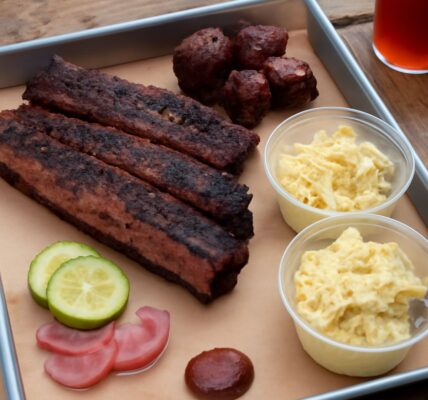
A campground grill restaurant concept brings the rustic, fire-forward cooking methods of outdoor camping into a dining establishment context. The campground grill typically features wood-fired or charcoal cooking at its center, producing food with the distinctive smokiness and char that only live fire can create. A campground grill menu often celebrates proteins and preparations associated with outdoor cooking: fire-roasted corn, smoked meats, grilled whole fish, and cast-iron preparations that honor the simplicity of cooking over an open flame. The campground grill atmosphere completes the experience with rough-hewn wood surfaces, lantern-style lighting, and a general sense that the food is as honest and unmediated as the dining experience itself.
Herb Box Shea: Garden-to-Table Fresh Dining
What Herb Box Shea Represents Herb box shea and similar concept-driven restaurants that center fresh herbs in their culinary identity represent a specific commitment to ingredient quality that extends to even the most taken-for-granted components of the menu. An herb box shea establishment understands that fresh herbs aren’t merely garnish — they’re flavor-forward ingredients that should be used generously and thoughtfully throughout every dish. The herb box shea philosophy treats the herb garden or carefully sourced herb supply as the kitchen’s most important asset, around which everything else is organized. This results in menus with unusually vibrant, fresh flavor profiles that synthetic seasoning cannot replicate.
The Flavors of an Herb Box Shea Menu
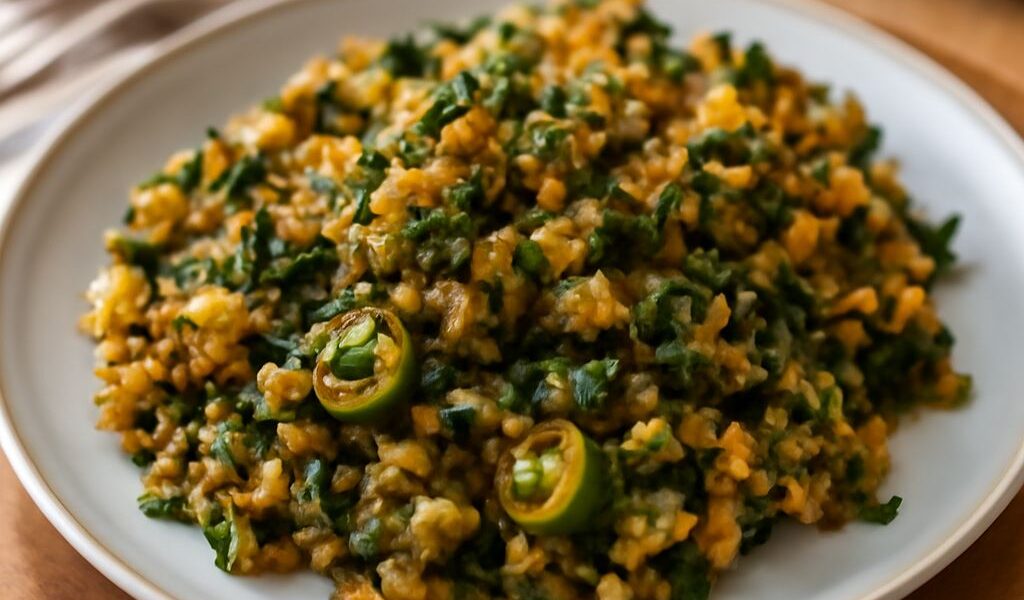
An herb box shea menu is immediately identifiable through its flavor signature: bright, fresh, and aromatic in a way that herb-forward cooking uniquely achieves. Fresh basil used in quantity rather than as a garnish sprinkle transforms a tomato preparation. Generous tarragon in a chicken preparation brings anise-forward complexity that dried herbs can never approximate. Fresh dill on cured fish adds brightness that dried dill extinguishes. An herb box shea approach applied consistently across a menu produces a dining experience that tastes genuinely fresh in every preparation — not just in the salad course but throughout the entire meal. Finding and returning to an herb box shea establishment that executes this philosophy well is one of the great quiet pleasures of local dining.