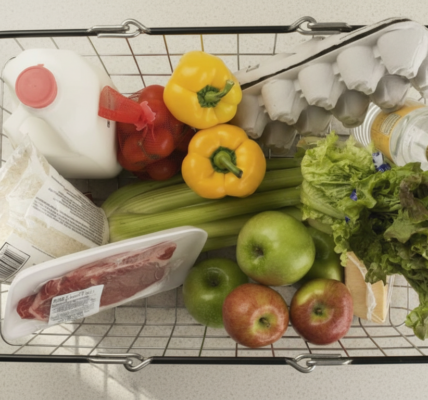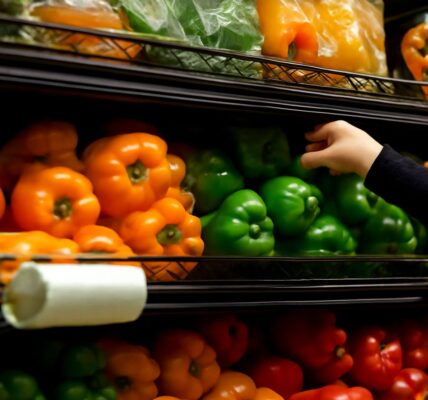
Learning how to buy groceries on a budget is one of the most practical financial skills a household can develop. The reality is that knowing how to shop for groceries on a budget requires more than just grabbing store-brand products — it demands a strategic approach to planning, shopping, and storing food. Whether you’re looking for the cheapest way to buy groceries, applying specific tips for grocery shopping on a budget, or searching for the cheapest way to grocery shop without sacrificing nutrition, this guide covers the proven methods that make a measurable difference in monthly food spending.
Budget grocery shopping is not about eating poorly — it’s about eliminating waste, maximizing value, and making every dollar count. The tips and strategies here apply whether you’re feeding one person or a family of six. By combining planning, smart store selection, and disciplined buying habits, you can consistently reduce your grocery bill while maintaining a varied, satisfying diet.
Planning Before You Shop
Meal Planning as a Budget Foundation
The most reliable method for those learning how to buy groceries on a budget starts before setting foot in any store. Meal planning aligns purchases with actual consumption, eliminating the impulse buys and forgotten ingredients that inflate bills. Write out a week’s worth of meals, generate a corresponding shopping list, and stick to it. This one habit alone can reduce a typical grocery budget by fifteen to twenty percent.
Inventory Your Kitchen First
Before building a shopping list, check what you already have. Buying duplicates of items already in the pantry or freezer is a common and expensive mistake. A quick inventory takes five minutes and prevents unnecessary spending. This step is fundamental to any approach centered on how to shop for groceries on a budget effectively.
Finding the Cheapest Way to Buy Groceries
Store Selection and Price Comparison Not all grocery stores charge the same for the same items. Discount chains, warehouse clubs, ethnic grocery stores, and farmers’ markets each offer different value propositions depending on what you’re buying. For produce, ethnic markets and farmers’ markets often beat mainstream supermarket prices substantially. For non-perishables, warehouse clubs provide the cheapest way to buy groceries on a per-unit basis when you can commit to larger quantities. Comparing weekly circulars — or using price-tracking apps — enables smarter store selection week to week.
Timing Your Purchases
Many stores mark down meat, bakery items, and prepared foods late in the day before closing. Shopping in the evening on weekdays often yields the cheapest way to grocery shop for proteins and fresh items. Learning your store’s markdown schedule turns timing into a legitimate budget strategy.
Tips for Grocery Shopping on a Budget
Buy Whole, Cook More
Convenience items — pre-cut vegetables, marinated proteins, single-serve packaging — carry significant price premiums. Applying tips for grocery shopping on a budget means choosing whole ingredients and doing more preparation at home. A head of cabbage costs a fraction of shredded cabbage in a bag. A whole chicken breaks down into more meals per dollar than boneless breasts.
Embrace Seasonal and Frozen Produce
Seasonal produce is almost always cheaper and more flavorful than out-of-season imports. Frozen vegetables and fruits, harvested and processed at peak ripeness, retain full nutritional value and cost significantly less than fresh equivalents. Incorporating frozen options is one of the most effective tips for grocery shopping on a budget that many households overlook.
The Cheapest Way to Grocery Shop Consistently
The cheapest way to grocery shop is not a single action but a set of layered habits: plan meals, write lists, check inventories, compare stores, buy whole, time markdowns, and lean into seasonal or frozen options. Consistency transforms each small saving into substantial annual budget reductions. The cheapest way to grocery shop also means avoiding hunger shopping — always eat before heading to the store, since hunger reliably inflates spending. With these habits in place, budget grocery shopping becomes automatic rather than effortful.