Dining is not just about taste—it’s a cultural experience that brings together traditions from all over the globe. In this exploration of the culinary world, we dive into the fascinating history and cultural significance of dining tools like red chopsticks, silver chopsticks, and the ever-popular fork. From ancient times to modern dining settings, these utensils have shaped how we enjoy our meals. So, let’s raise our forks up and delve into the vibrant world of chopsticks and forks.
The Evolution of Chopsticks and Forks
Origins and Cultural Significance The journey of chopsticks and forks begins in different corners of the world, each with its own cultural tapestry. Chopsticks, primarily associated with Asian countries, have been a dining staple for thousands of years. These slender tools are celebrated not merely for their functionality but for their cultural symbolism. Red chopsticks, for instance, are often seen as a symbol of luck and celebration in Chinese culture.
Conversely, forks have a storied history in Western dining. Originating in the Byzantine Empire, they gradually became the preferred tool in Europe over the centuries. Today, forks are ubiquitous in global dining settings, representing modernity and ease of use.
Comparative Use in Modern Dining
In contemporary dining, the use of chopsticks and forks reflects a global interchange of culinary practices. While chopsticks remain essential in many Asian cuisines, forks have been widely adopted due to their convenience. Silver chopsticks, often used in Korean culture, add a touch of elegance to the dining experience, highlighting the importance of aesthetics in meal presentation.
Both utensils have their unique roles, enhancing the dining experience by offering different ways to enjoy food—whether it’s savoring delicate bites with chopsticks or easily twirling pasta with a fork.
Forks Up: Embracing Global Dining Etiquette
How Forks Have Transformed Dining Practices The phrase forks up epitomizes the role of forks in transforming dining etiquette and practices. Their widespread use has standardized certain dining customs, such as the placement of utensils on a finished plate to signal the end of a meal. Forks have seamlessly integrated into various cuisines, showcasing their adaptability and universal appeal.
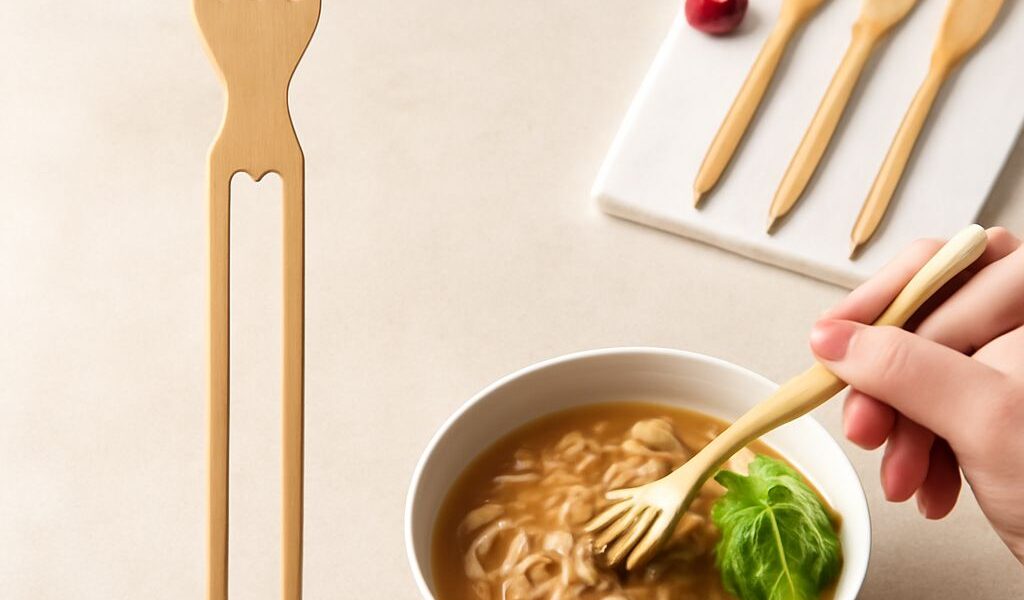
As dining cultures mix, it’s common to find forks alongside chopsticks at Asian dining tables, allowing diners to choose their preferred utensil based on the dish being served.
The Role of Red Chopsticks in Asian Cuisine
Red chopsticks hold a special place in Asian dining, often used during festivals and celebrations to symbolize prosperity and joy. Their vibrant color adds a festive touch to any meal, making them a popular choice for special occasions.
Beyond their aesthetic appeal, red chopsticks are also functional. Their slightly textured surface provides a better grip, making them practical for handling a variety of foods, from delicate sushi to slippery noodles.
The Aesthetic Appeal of Red and Silver Chopsticks
Why Red Chopsticks are a Cultural Icon
Red chopsticks are not just utensils; they are cultural icons that reflect the vibrancy and richness of Asian traditions. Their striking color is often associated with good fortune and happiness, making them a favored choice during significant events like weddings and Lunar New Year celebrations.
The allure of red chopsticks extends beyond their cultural symbolism. They represent a blend of tradition and modern design, appealing to both purists and modernists in the culinary world.
The Elegance of Silver Chopsticks
Silver chopsticks are revered for their elegance and sophistication. In Korean dining, they are a symbol of refinement and are often used during formal occasions. The weight and cool touch of silver add a luxurious dimension to the dining experience, enhancing both the sensory and aesthetic aspects of a meal.
While they may not be as common as their wooden or bamboo counterparts, silver chopsticks signify a commitment to tradition and beauty, making them a cherished addition to any dining table.
Hoochies and Dining Innovations
Modern Dining Trends with Hoochies
The term hoochies in the dining world refers to innovative approaches that blend traditional and modern elements. This trend is seen in the growing popularity of fusion cuisine, where chefs mix flavors and techniques from different cultures.
In this context, using both chopsticks and forks can enhance the dining experience, offering diners the versatility to enjoy a wide range of dishes with ease and flair.
Integrating Traditional and Modern Utensils
As global dining practices continue to evolve, integrating traditional and modern utensils becomes increasingly important. This integration allows for a richer culinary experience, where diners can appreciate the history and significance of each utensil while enjoying modern convenience.
Whether it’s the sleek lines of a fork or the cultural heritage of red and silver chopsticks, each tool provides a unique way to connect with food and culture, creating a tapestry of flavors and experiences on the dining table.