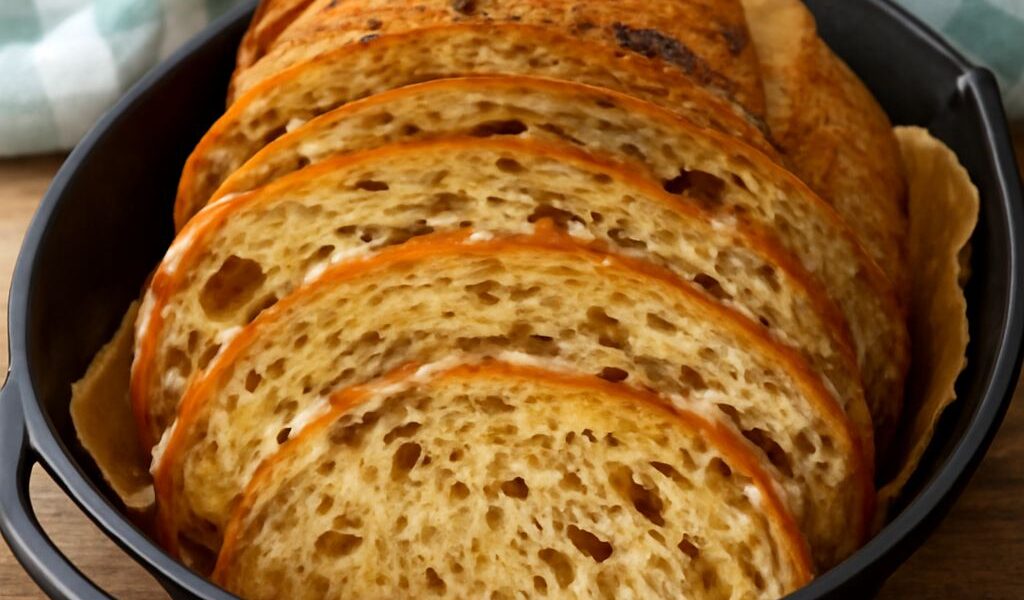
Creating the perfect sour dough bread starter is an art that has captivated bakers worldwide. With the best sourdough starter recipe, you can unlock a world of delicious homemade bread, characterized by its unique tangy flavor and crusty exterior. As you explore sourdough recipes with starter, the journey of crafting your own bread becomes a rewarding experience, offering both culinary delight and a sense of accomplishment. In this guide, we delve into the intricacies of sourdough starters, providing you with the essential knowledge to elevate your baking endeavors.
Understanding Sourdough Starter
A sourdough starter is a living culture of flour and water, inhabited by naturally occurring wild yeast and lactobacilli. This combination is what gives sour dough bread starter its distinctive tangy taste and airy texture. The natural fermentation process within the starter is key to developing the complex flavors and aromas that make sourdough bread so beloved.
Unlike commercial yeast, a sourdough starter evolves over time, adapting to its environment and reflecting the unique microorganisms present in your home. This personalized nature of a sourdough starter is part of its charm, as each batch of bread you produce will carry subtle differences, depending on the starter’s maturity and the local conditions.
Best Sourdough Starter Recipe
To create the best sourdough starter recipe, consistency and patience are essential. Begin with equal parts flour and water, approximately 100 grams each. Mix them together in a clean glass jar, cover loosely, and let sit at room temperature. Over the course of several days, you will need to feed your starter regularly—typically once every 24 hours—by discarding half and replenishing with fresh flour and water.
During this period, you will notice bubbles forming and the starter doubling in size, which indicates that your wild yeast is thriving. The sour dough bread starter is ready to use once it has a pleasant, tangy aroma and can double in size within 4 to 6 hours after feeding. This usually happens after about a week of regular feeding.
Sourdough Recipes with Starter
Once you have a healthy and active starter, the possibilities for sourdough recipes with starter are endless. From classic sourdough loaves to more experimental creations like sourdough waffles or pancakes, your starter can add depth and flavor to a variety of baked goods.
One favored option is a basic sour dough bread starter recipe. Mix 500 grams of bread flour with 350 grams of water, 100 grams of your starter, and 10 grams of salt. Knead the dough, let it rise until it doubles, shape it, and let it proof. The result is a loaf with a crusty exterior and a soft, chewy crumb that embodies the essence of sourdough baking.
Maintaining Your Sourdough Starter
Once your starter is established, maintaining it is simple. Regular feedings are crucial to keep the yeast population active and healthy. Depending on your baking frequency, you can store your starter at room temperature if you bake daily, or refrigerate it if you bake less frequently, feeding it once a week.
To maintain the best sourdough starter recipe conditions, monitor your starter’s activity and adjust feedings as necessary. If you notice a decrease in activity, it may need a couple of days of room temperature feeding to revive it. Remember, a well-maintained starter is the foundation for all your sourdough recipes with starter, ensuring consistent results and delicious bread every time.


