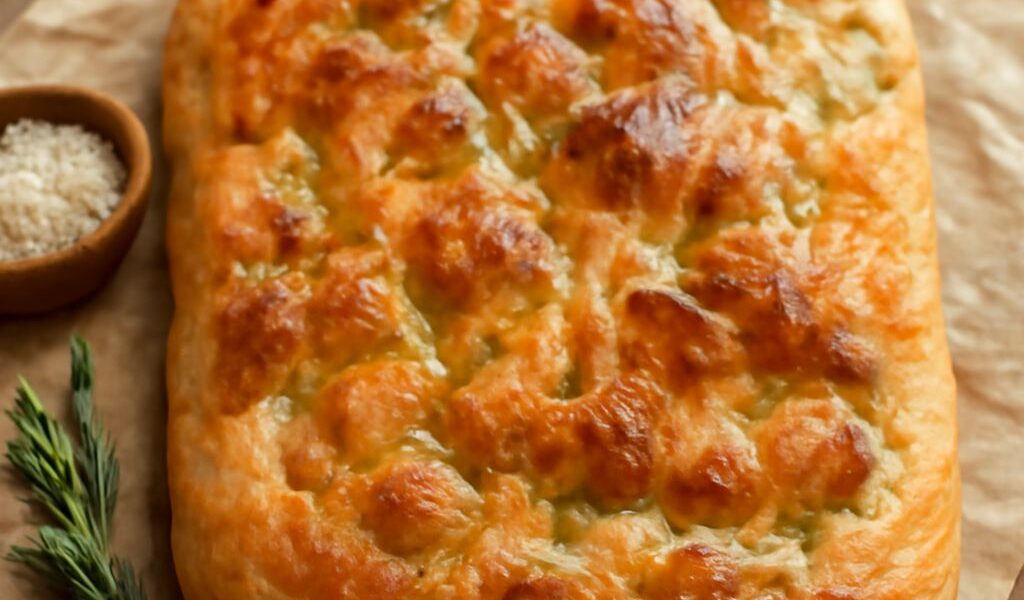
There’s something magical about the aroma of freshly baked bread wafting through a cozy café or bustling bakery. Lately, no knead focaccia has become a beloved choice among both professional bakers and home enthusiasts. Its crisp crust, airy crumb, and fragrant olive oil finish make it irresistible. If you’ve ever wondered how to make focaccia bread that rivals your favorite bakery—with minimal effort—this guide is your shortcut to bakery-quality results.
Both seasoned bakers and curious beginners are discovering that learning how to make focaccia bread doesn’t require advanced skills or specialized equipment. Using a no knead method, you can craft this Italian classic with ease and enjoy its rich flavors and pillowy texture at home or in your own café setting.
Why No Knead Focaccia is a Game Changer
No knead focaccia stands out for its simplicity and consistently fantastic results. Traditional bread-making often involves intensive kneading, precise timing, and a fair amount of elbow grease. In contrast, the no knead approach lets time and hydration do the work. A long, slow fermentation develops deep flavors, while the dough’s high moisture content creates that signature open crumb and golden crust we crave in focaccia.
This style of bread has become a go-to in the world of cafes and bakeries. Diners appreciate the rustic appearance and satisfying chew, while bakers love the flexibility. The no knead method means you can prepare the dough the night before, let it develop in the fridge, and bake it fresh the next day with minimal handling. The result? A loaf that’s just as impressive as one that required hours of kneading and attention.
For menu planners and home cooks alike, no knead focaccia offers versatility. Serve it as a base for inventive sandwiches, alongside soups and salads, or simply with a drizzle of olive oil and a sprinkle of sea salt. Its approachable process encourages experimentation, inviting you to infuse the dough with rosemary, olives, or sun-dried tomatoes for added character.
Best of all, learning how to make focaccia bread this way means you’re likely to bake more often, bringing that unmistakable bakery aroma into your own kitchen or café. The sense of accomplishment (and the satisfied smiles of guests) are unmatched.
Essential Ingredients for No Knead Focaccia
The secret to outstanding no knead focaccia lies in quality ingredients. Unlike heavily enriched breads, focaccia relies on a simple mix where each component shines. Here’s what you’ll need to make your own bakery-worthy loaf:
- Flour: Bread flour is preferred for its higher protein content, which helps create a chewy, structured crumb. All-purpose flour will also yield delicious results with a slightly more tender bite.
- Yeast: Either instant or active dry yeast will work. If using active dry, dissolve it in a bit of warm water before mixing into the dough.
- Salt: Essential for flavor and gluten development. Sea salt or kosher salt enhances the bread’s taste.
- Water: Lukewarm water helps activate the yeast and blend the dough. The high hydration is what gives no knead focaccia its airy texture.
- Olive Oil: This is a star ingredient—it flavors the dough, enriches the crumb, and crisps the crust. Use a good quality extra-virgin olive oil for authentic taste.
- Toppings: Classic add-ons include rosemary, flaky salt, and sliced cherry tomatoes. You can also experiment with caramelized onions, garlic, or a sprinkle of cheese.
The straightforward ingredient list makes it easy to keep everything on hand for spontaneous baking. For those running a café or bakery, sourcing high-quality flour and olive oil will set your focaccia apart and keep customers coming back for more.
Those new to how to make focaccia bread will be pleased by its forgiving nature. The dough tolerates minor variations in measurements, and the toppings can be customized to suit the season or your guests’ preferences. Even if you’re just starting out, you’ll soon be baking loaves with confidence and flair.
Step-by-Step: How to Make Focaccia Bread
Crafting no knead focaccia is a rewarding process, perfect for both commercial kitchens and home ovens. Here’s how to make focaccia bread that’s soft, flavorful, and golden every time:
- Mix the Dough: In a large bowl, combine flour, salt, yeast, and water. Stir until a shaggy dough forms. Add a tablespoon of olive oil and fold just until combined. The dough will be sticky—this is normal.
- First Rise: Cover the bowl with plastic wrap or a damp cloth. Let it rise at room temperature for 12-18 hours. The slow fermentation builds flavor and develops gluten without kneading.
- Shape and Second Rise: Generously oil a baking pan. Scrape the dough into the pan, gently stretching it to fit. Drizzle with more olive oil and dimple the surface with your fingertips. Let it rise uncovered for 2-4 hours, until puffed and bubbly.
- Add Toppings: Sprinkle with your chosen toppings—rosemary, sea salt, olives, or tomatoes work beautifully. Press them lightly into the dough so they stick through baking.
- Bake: Bake in a preheated oven at 425°F (220°C) for 20-25 minutes, until golden brown and crisp around the edges. Cool slightly before slicing.
Even in busy bakeries, this process fits seamlessly into the daily rhythm. The hands-off nature of no knead focaccia means you can focus on other menu items while the dough transforms itself. For home bakers, it’s a real treat to have such an impressive bread with so little active work.
Once you learn how to make focaccia bread with this method, the possibilities for customization and creative pairings are endless. Swap in seasonal herbs, try different flours, or finish with a sprinkle of finishing salt for an artisanal touch.
Serving and Storing Your No Knead Focaccia
Few things rival the delight of breaking into a warm, olive oil-glossed slab of no knead focaccia. In cafes and bakeries, focaccia is often sliced into generous squares and served alongside soups, salads, or antipasto platters. It makes a hearty base for sandwiches—try layering with roasted vegetables and cheese for a memorable lunch menu item.
At home, this bread shines as a centerpiece for gatherings. Serve it fresh from the oven with a dish of olive oil and balsamic for dipping, or pair with cured meats and cheeses. The pillowy crumb and crisp edges make it a favorite for sharing, no matter the occasion.
Proper storage ensures your focaccia stays fresh and delicious. After cooling, wrap it tightly or store in an airtight container at room temperature for up to two days. For longer storage, slice and freeze individual pieces—just reheat in a hot oven to restore its crispness. This makes it easy to prepare larger batches, whether you’re stocking a bakery case or planning ahead for busy weeks at home.
Mastering no knead focaccia not only elevates your menu, but also brings the joy of artisan baking into everyday life. With its approachable method and unforgettable flavor, it’s easy to see why this bread is winning hearts in both professional and home kitchens across the globe.