Managing your food expenses can be a daunting task, especially with unpredictable price fluctuations and the temptation to splurge. However, by following Dave Ramsey’s grocery budget strategies, you can maintain control over your finances. Dave Ramsey’s groceries plan emphasizes prioritizing your needs while allowing for flexibility in your budget. In this article, we will explore how to adjust your grocery plan to save money on lots of groceries and ensure you stick to a practical and effective budget.
Understanding Dave Ramsey’s Grocery Budget
The Basics of a Dave Ramsey Food Budget
The foundation of a Dave Ramsey food budget is simplicity and discipline. His approach encourages setting a fixed monthly grocery budget based on your total income and sticking to it. The idea is to allocate a specific percentage of your income solely for food purchases. This ensures that you are not overspending on unnecessary items and have enough left for other financial goals. By incorporating these principles, you can create a budget that supports your lifestyle and financial objectives.
Benefits of Following a Grocery Budget Following a grocery budget not only helps in managing your expenses but also encourages mindful consumption. It reduces impulse buying and focuses on purchasing essentials. Additionally, having a clear budget allows you to plan meals in advance, reducing waste and maximizing the use of purchased items. Over time, adhering to a budget can significantly contribute to your overall savings, enabling you to invest in other areas or prepare for unexpected expenses.
Tips for Buying Groceries on a Budget
Prioritizing Needs Over Wants
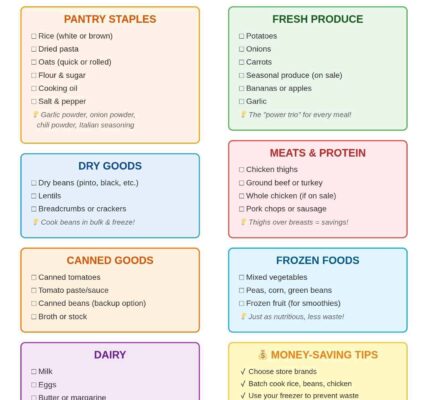
One of the key aspects of buying groceries on a budget is distinguishing between needs and wants. Focus on purchasing staple items that provide nutritional value and can be used in multiple meals. Create a list that targets these essentials and resist the urge to buy items that do not align with your budget. By understanding the difference, you can make more informed decisions and keep your spending in check.
How to Save on Lots of Groceries
Saving money on lots of groceries involves strategic planning and purchasing. Take advantage of sales, buy in bulk when it makes sense, and use coupons to cut costs. Consider generic brands, which often offer the same quality as branded products but at a lower price. Additionally, shopping at discount stores or farmers’ markets can offer significant savings. By implementing these strategies, you can reduce your grocery bill while still buying the necessary items.
Adjusting Your Grocery Plan: A Practical Guide
Flexible Budgeting with Dave Ramsey’s Methods
Flexibility is fundamental in Dave Ramsey’s grocery budget. The ability to adjust your plan based on changing circumstances ensures that your budget remains effective and realistic. If you find yourself consistently overspending, reassess your budget and find areas where you can cut back. Include a buffer for unexpected purchases and be prepared to shift funds when necessary. This adaptability is crucial for maintaining a sustainable budget.
Adapting to Price Changes and Seasonal Variations
Another critical component is adapting to market fluctuations. Prices can vary greatly due to seasonal changes or supply chain issues. Stay informed about these trends and adjust your shopping habits accordingly. Buy seasonal produce when it’s cheaper and fresher. When prices rise, explore alternative options or recipes that require less expensive ingredients. This proactive approach helps keep your costs down and your budget intact.
Common Mistakes to Avoid in Grocery Budgeting
Overlooking Small Costs
Many people underestimate the impact of small costs on their overall grocery budget. Items like snacks, beverages, and convenience foods can quickly add up and blow your budget. Keep track of these minor purchases and incorporate them into your budget calculations. This awareness can prevent overspending and help you stay within your financial limits.
Ignoring the Importance of a Shopping List A shopping list is an essential tool for anyone looking to save money on lots of groceries. It helps you stay focused and prevents impulse buying. Without a list, it’s easy to get distracted by promotions or unplanned purchases. Make it a habit to prepare a list before heading to the store and stick to it. This discipline is vital for maintaining control over your grocery budget and avoiding unnecessary expenditures.