Your restaurant menu is more than just a list of offerings; it’s a crucial element in the dining experience that can influence customer satisfaction and boost sales. A well-thought-out menu restaurant can captivate diners, guide their choices, and reflect your brand’s personality. In this guide, we explore the essentials of creating a compelling restaurants menu, including design techniques, presentation tips, and strategies for ongoing updates.
Understanding the Basics of a Restaurant Menu
What is a Restaurant Menu?
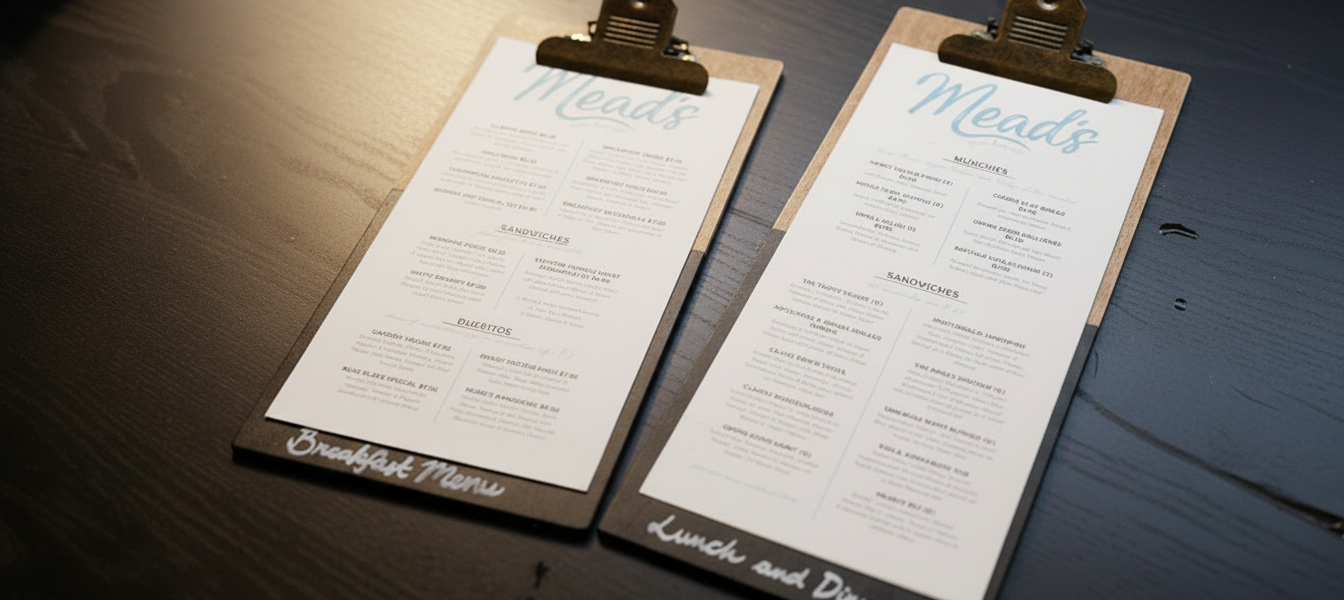
A restaurant menu serves as a direct communication tool between the establishment and its patrons. It outlines the available food and beverage options, prices, and sometimes ingredients or special preparations. More than just a list, a menu should encapsulate the restaurant’s style, theme, and culinary focus, providing customers with a snapshot of what to expect from their dining experience.
Types of Menus in Restaurants
Menus come in various formats, each catering to different dining experiences. The most common types include a la carte, where items are listed and priced individually; table d’hôte, offering set meals at fixed prices; and prix fixe, presenting a multi-course meal at a set price. Understanding these types helps in crafting a menu that aligns with your restaurant’s identity and operational needs.
Designing an Effective Restaurants Menu
Key Elements of Menu Design
The design of your restaurants menu should be both functional and aesthetically pleasing. Key elements include the typography, color scheme, and layout, all of which should align with your brand. Clear categories, easy-to-read fonts, and strategic use of color can enhance readability and guide the customer’s eye to high-margin items.
Psychological Tricks to Enhance Menu Appeal
Menu design is as much about psychology as it is about aesthetics. Techniques such as placing high-profit items at the top or bottom of a section, using descriptive language to evoke appetite, and minimizing currency symbols can subtly influence consumer choices. A well-designed menu not only informs but persuades, making it an invaluable tool in sales strategy.
Menu Restaurant Layout and Presentation Tips
Choosing the Right Layout for Your Menu
The layout of your menu restaurant significantly impacts customer experience. Consider how items are organized—whether by course, ingredient, or popularity. A logical flow helps diners make decisions quickly and confidently. Additionally, the right layout can highlight signature dishes, tempting customers to try something new or premium.
Visual Elements that Boost a Menu’s Appeal
Incorporating visual elements such as images or illustrations can make a menu more engaging. However, these should be used sparingly to prevent clutter. High-quality photographs of select dishes can entice diners, while motifs or themed graphics can reinforce the restaurant’s ambiance. The goal is to create a harmonious balance that complements the textual content.
Updating and Maintaining Your Menu.
When and How to Update Your Menu.
Regular updates to your menu are essential for maintaining relevance and responding to changing customer preferences or seasonal availability. Establish a schedule for reviewing and revising your offerings, whether quarterly or bi-annually. Updates might include introducing new dishes, adjusting prices, or responding to feedback. This proactive approach ensures your menu remains a dynamic and effective part of your restaurant strategy.
Gathering Feedback on Your Menu at Your Restaurant
Feedback is invaluable in assessing the effectiveness of your menu. Encourage customers to share their thoughts through comment cards, online reviews, or post-dining surveys. Analyzing this data can provide insights into what’s working and what’s not, allowing you to make informed decisions about future updates. Remember, a menu that evolves based on customer input can significantly enhance your restaurant’s reputation and customer satisfaction.