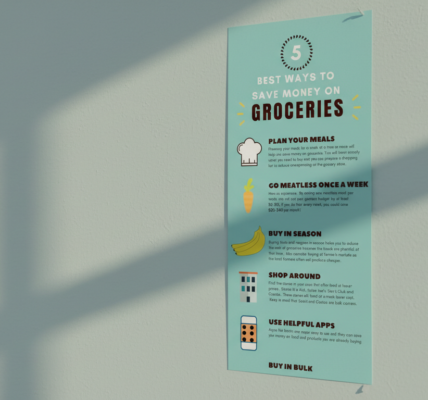
Grocery bills are one of the most controllable expenses in any household, yet most people overspend without realizing it. Learning the best ways to save money on groceries doesn’t require extreme couponing or sacrificing food quality — it requires systems and habits. These money saving tips for grocery shopping are practical, tested, and immediately applicable. Whether you’re focused on saving money grocery shopping for a family or trying to save money groceries as a solo shopper, small changes add up to significant monthly savings. Apply these grocery shopping tips to save money consistently and watch your food budget shrink.
The average household wastes approximately $1,800 worth of food per year, and much of this waste is preventable through better planning and purchasing decisions. The strategies in this guide address both the planning phase and the in-store behaviors that drive unnecessary spending, giving you a comprehensive toolkit for reducing your grocery bill without sacrificing nutrition or enjoyment.
Planning Before You Shop: The Foundation of Grocery Savings
How Meal Planning Reduces Grocery Spending One of the most effective ways to save money on groceries is planning your meals for the week before you set foot in the store. When you know exactly what you need for each dinner and lunch, you buy only what serves a purpose — every item in your cart has a meal attached to it. Meal planning as a grocery shopping tip to save money is consistently recommended by financial experts because it attacks two sources of overspending simultaneously: impulse purchases and food waste. Households that meal plan typically spend 15–20% less on groceries per week than those that shop without a plan.
Building an Effective Grocery List
Your grocery list is your most powerful save money groceries tool. An effective list is organized by store section — produce, dairy, proteins, pantry staples — so you move through the store efficiently without backtracking through tempting aisles. Review your pantry before writing the list to avoid duplicates. Stick strictly to the list once you’re in the store: each unplanned item represents a lapse in your budget discipline. Among the simplest money saving tips for grocery shopping, none is more consistently effective than maintaining a detailed, organized list and honoring it.
In-Store Strategies for Saving Money on Groceries
Understanding Store Layout and Sale Cycles Supermarkets are designed to maximize spending, not convenience. Knowing this is one of the most underrated ways to save money on groceries. High-margin items are placed at eye level; essentials like dairy, eggs, and bread are positioned at the back of the store to force shoppers to walk past impulse buy opportunities. Grocery stores also run predictable sale cycles — most items rotate on a 6–12 week sales schedule. Learning when your most-purchased items go on sale helps you stock up at the right time, a practice that’s central to saving money grocery shopping over the long term.
Comparing Unit Prices and Store Brands
Unit price comparison is among the most reliable grocery shopping tips to save money on any given shopping trip. Unit prices, displayed on shelf tags as cost per ounce or per serving, allow apples-to-apples comparison across different package sizes and brands. Store brands (also called private label or generic products) typically offer identical quality to national brands at 20–40% lower prices. Switching to store brands for staples like canned goods, flour, sugar, frozen vegetables, and cleaning supplies is one of the highest-impact ways to save money on groceries without any perceptible drop in quality.
Smart Shopping Habits That Save Money on Groceries Long-Term
Using Loyalty Programs and Cashback Apps Saving money grocery shopping has been transformed by technology. Most major grocery chains offer loyalty programs that provide automatic discounts, personalized coupons based on your purchase history, and fuel reward points. Layer these savings with cashback apps like Ibotta, Fetch Rewards, or Checkout 51, which pay you back on qualifying purchases regardless of which store you shop at. Using a grocery-category rewards credit card on top of these programs adds another 1–5% back. Combining all three consistently is one of the most effective long-term money saving tips for grocery shopping available today.
Buying in Bulk the Right Way
Bulk buying is a powerful strategy to save money groceries on staple items, but it only works when done selectively. Buy in bulk products you use regularly and that have a long shelf life — rice, pasta, canned tomatoes, olive oil, dried beans, coffee, and paper goods. Avoid buying perishables in bulk unless you can freeze them before they spoil. Warehouse clubs like Costco or Sam’s Club offer genuine savings on the right products, but you need to do the math: some items at warehouse clubs are actually more expensive per unit than sale-priced versions at conventional supermarkets. Strategic bulk buying is one of the smartest ways to save money on groceries over time.
Digital and Coupon Strategies for Grocery Shopping
How to Use Digital Coupons Effectively Digital coupons have replaced paper clipping as the dominant coupon format, and they’re far more convenient. Store apps make it easy to browse and clip digital offers before you shop, and they’re automatically applied at checkout when you scan your loyalty card. Among the most useful grocery shopping tips to save money in the digital era: browse available coupons before building your meal plan, and let available coupons influence your decisions at the margin. If a coupon reduces the cost of a brand you’d buy anyway, use it. If it would cause you to buy something you didn’t need, skip it — a discount on something you don’t need isn’t actually a saving.
Combining Store Sales with Manufacturer Coupons
“Stacking” — combining store sale prices with manufacturer coupons — is the secret weapon of serious savers. When a product is on sale at the store and you have a manufacturer coupon for the same item, the savings compound. This technique, once the domain of extreme couponers with elaborate filing systems, is now much simpler thanks to digital coupons and store apps that make the combination automatic. Mastering this one habit is among the most impactful ways to save money on groceries available to any shopper, and it requires only a few minutes of planning before each trip to yield meaningful saving money grocery shopping results.