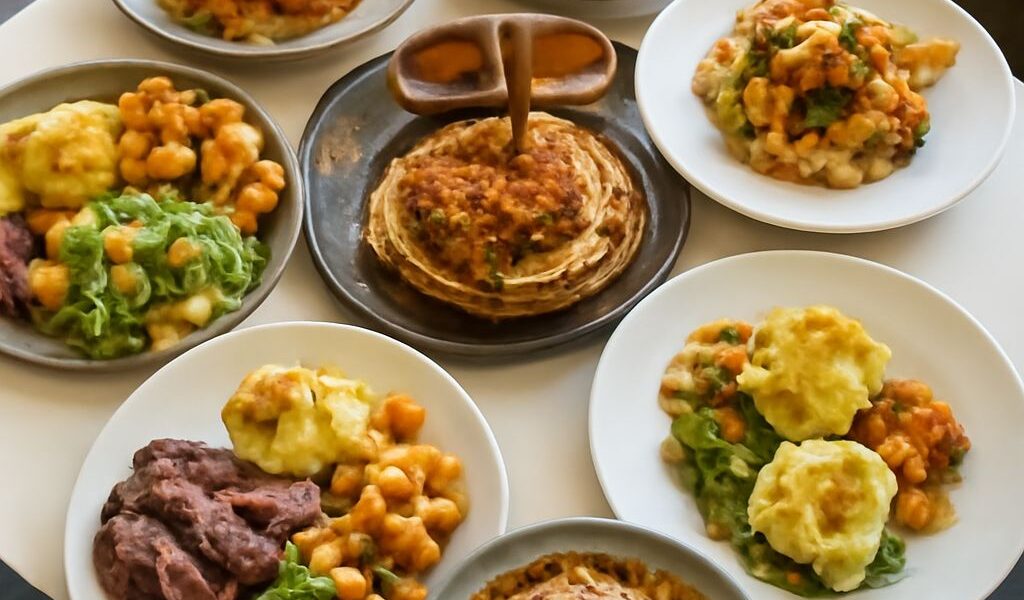
Dim Sum Kitchen: The Best Asian Dining Experiences from Rolls and Bowls to a New Asian Restaurant Menu
Asian cuisine has never been more exciting or more accessible. Whether you’re gathering friends for a dim sum kitchen brunch, grabbing lunch at a rolls and bowls concept restaurant, trying the casual comfort of ok chinese takeout, or discovering something asian delicious at a neighborhood spot, Asian dining offers extraordinary range. For diners seeking fresh options, a well-crafted new asian restaurant menu can introduce ingredients and preparations that expand culinary horizons. This guide covers all of these dining experiences and what makes each one worth exploring.
Asian cuisine encompasses thousands of distinct regional traditions, and the best dining experiences honor that diversity rather than flattening it into a generic category. From the delicate, bite-sized pleasures of dim sum to the hearty, customizable format of rolls and bowls, each dining style has its own logic and its own pleasures. Understanding what to expect from each format helps you get more out of every Asian dining experience.
The Art of Dim Sum Kitchen Dining
What Defines a Great Dim Sum Kitchen A true dim sum kitchen is built around the ancient Cantonese tradition of yum cha — drinking tea while sharing small plates of expertly prepared dumplings, buns, rolls, and desserts. The dim sum kitchen experience is fundamentally communal: dishes arrive continuously, shared by the whole table, and the pleasure is as much in the variety as in any single item. A great dim sum kitchen distinguishes itself through the quality of its wrappers and dough (translucent, thin, delicate), the balance of its fillings, and the freshness of ingredients. The best dim sum kitchens make most items by hand daily.
Classic Dim Sum Dishes Every Food Lover Should Try
Any visit to a dim sum kitchen should include har gow (steamed shrimp dumplings in translucent wrappers), siu mai (open-topped pork and shrimp dumplings), char siu bao (BBQ pork buns, both steamed and baked), cheung fun (rice noodle rolls with various fillings), and dan tat (egg custard tarts). These classics represent the range of textures, flavors, and techniques that make dim sum kitchen dining so rewarding. Once comfortable with the basics, adventurous diners can explore more specialized offerings like chicken feet, tripe, and turnip cake — dishes that reward an open-minded palate.
Rolls and Bowls: A Modern Asian Dining Trend
What the Rolls and Bowls Format Offers Rolls and bowls restaurants represent one of the most successful modern interpretations of Asian dining for Western markets. The rolls and bowls format combines the customizable, build-your-own appeal of fast-casual dining with the fresh ingredients, umami-rich flavors, and visual appeal of Asian cuisine. Customers typically choose a base (rice, noodles, or greens), a protein (often including sushi-grade fish, marinated beef, or teriyaki chicken), and a selection of toppings and sauces. The result is a meal that feels both indulgent and nutritious — a balance that has made rolls and bowls concepts enormously popular across demographics.
Best Items to Order at a Rolls and Bowls Restaurant
At most rolls and bowls establishments, the signature rice bowls are the anchor item — well worth ordering on a first visit to understand the restaurant’s flavor philosophy. Sushi rolls, particularly specialty rolls with house-made sauces and creative topping combinations, showcase the kitchen’s creativity. Vegetarian and vegan options are increasingly prominent on rolls and bowls menus, often featuring marinated tofu, edamame, pickled vegetables, and sesame-based dressings. Miso soup and edamame are classic starters that pair well with any rolls and bowls meal and add warmth and nutrition to the experience.
OK Chinese and Asian Delicious: Approachable Asian Cuisine
What Makes OK Chinese a Fan Favorite Ok chinese restaurants represent a category of casual, neighborhood-friendly Chinese dining that prioritizes comfort, value, and generous portions. The ok chinese style isn’t trying to be the most elevated or authentic Chinese cuisine — instead, it delivers reliably satisfying versions of beloved dishes like General Tso’s chicken, lo mein, egg fried rice, and wonton soup. What makes ok chinese spots successful is consistency: diners know exactly what they’re getting, and they get it well. For families, quick weeknight dinners, and affordable group meals, the ok chinese format fills an essential role in the dining landscape.
Asian Delicious: Bold Flavors for Every Palate
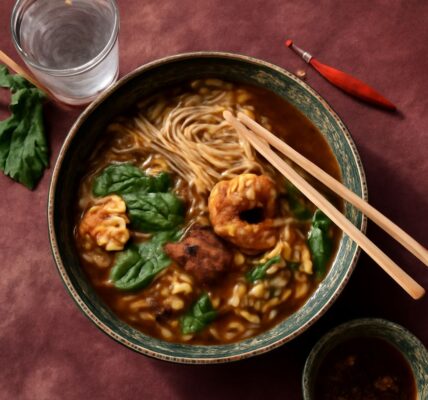
The descriptor “asian delicious” captures something real about how Asian cuisines approach flavor: layered, balanced, and deeply satisfying. Whether it’s the sweet heat of Thai chili sauce, the umami depth of Japanese miso broth, the citrus brightness of Vietnamese nuoc cham, or the five-spice warmth of Shanghainese braised pork — asian delicious flavor profiles are built on complexity and contrast. Restaurants that describe themselves as asian delicious typically offer pan-Asian menus drawing from multiple regional traditions, with a particular emphasis on bold saucing, fresh aromatics, and dishes designed to satisfy on a fundamental level.
Exploring the New Asian Restaurant Menu
How New Asian Restaurant Menus Are Evolving The new asian restaurant menu of today reflects a generation of chefs who are both deeply knowledgeable about traditional Asian cooking and creatively engaged with fusion possibilities. A new asian restaurant menu might sit Korean BBQ flavors alongside Japanese-inspired salads, or pair Vietnamese herbs with American-style sandwiches. This evolution isn’t about abandoning tradition — it’s about expanding the conversation. Chefs working on new asian restaurant menu development are drawing on diaspora experiences, cross-cultural dining, and a global food culture that makes these combinations feel natural and exciting rather than gimmicky.
Must-Try Dishes on Any New Asian Restaurant Menu
When exploring a new asian restaurant menu, look for dishes that signal the kitchen’s ambition and identity. Signature small plates or shareables often reveal the chef’s technique and creative philosophy better than main courses. House-made noodle dishes, dumplings, or rice preparations are usually strong indicators of quality since they require skill and time. Seasonal specials on a new asian restaurant menu tell you the kitchen is engaged with ingredient quality rather than running on autopilot. Don’t overlook the drink menu either — many Asian restaurants now offer impressive tea programs, sake selections, or Korean soju cocktails that elevate the entire meal into a more complete, immersive experience.