Italian Cousin: Exploring Tuscany Menu Favorites and the Best Italian Restaurant Pasta Dishes
Italian dining holds a special place in the hearts of food lovers worldwide, and spots that position themselves as the italian cousin of fine dining make that tradition approachable without sacrificing quality. An italian friendly restaurant creates an atmosphere where even first-time Italian diners feel welcomed and guided. A well-crafted tuscany menu brings the rustic elegance of central Italian cuisine to any table, while a great italian reataurant demonstrates how time-honored techniques can produce extraordinary results. Whether you’re exploring a local pasta on main menu or diving into a full Tuscan-inspired dining experience, this guide covers what to look for and what to order.
Italian cuisine is defined by regional specificity, seasonal ingredients, and a philosophy of letting quality ingredients speak for themselves. Understanding these principles transforms the way you approach any Italian restaurant menu and helps you identify the establishments that honor the tradition most faithfully.
What Italian Cousin Dining Means
The Italian Cousin Philosophy The italian cousin concept captures something essential about Italian dining culture: the idea that a great Italian restaurant should feel like eating in a relative’s home — warm, generous, and deeply personal. An italian cousin restaurant doesn’t intimidate with white tablecloths and hushed formality; instead, it creates an atmosphere of genuine hospitality where the food is made with love and served with pride. The italian cousin approach prioritizes house-made pasta, slow-simmered sauces, and the kind of patient cooking that can’t be rushed. Regulars at an italian cousin restaurant feel like family.
What Makes a Restaurant Truly Italian Friendly
An italian friendly establishment understands that not every diner arrives with deep knowledge of Italian cuisine, and it responds with helpful, knowledgeable staff who can guide menu selections without condescension. Italian friendly service includes explaining the distinction between different pasta shapes and their appropriate sauces, recommending regional wine pairings, and being genuinely enthusiastic about sharing the story behind each dish. A truly italian friendly restaurant is also flexible — able to accommodate dietary restrictions and customize dishes without treating special requests as inconveniences.
Tuscany Menu: The Heart of Central Italian Cooking
What a Tuscany Menu Typically Features A tuscany menu is rooted in the cucina povera tradition — peasant cooking that transformed humble ingredients into extraordinary dishes through technique and patience. The tuscany menu staples include bistecca alla Fiorentina (massive T-bone steak seasoned with sea salt, olive oil, and rosemary), ribollita (hearty bread and vegetable soup), pappardelle with wild boar ragu, and crostini with house-made chicken liver pate. A genuine tuscany menu uses extra virgin olive oil extensively, features cannellini beans in multiple preparations, and celebrates the region’s world-class wines as essential companions to the food.
Reading a Tuscany Menu Like a Local
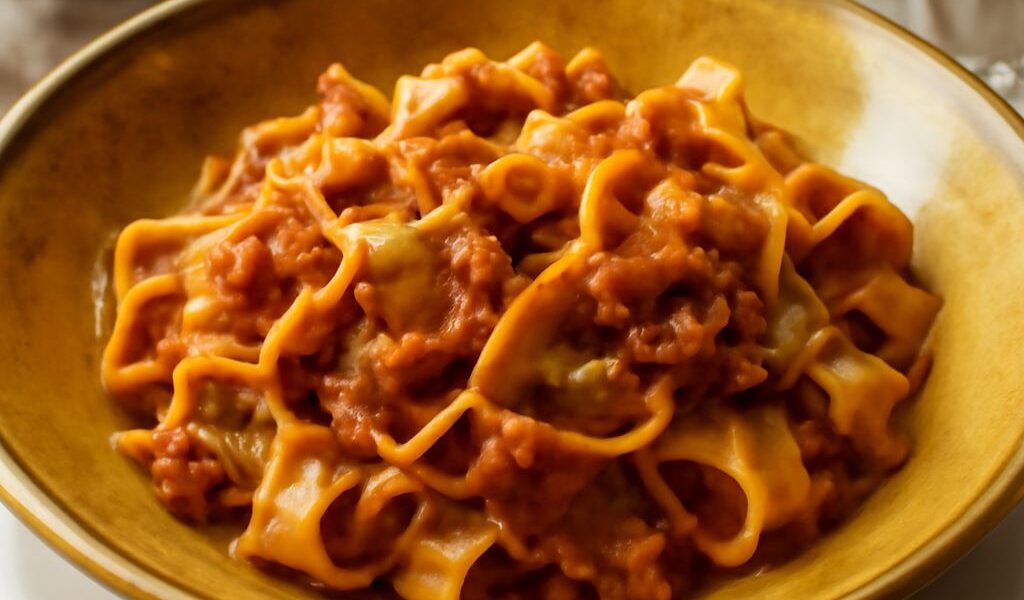
When approaching a tuscany menu, start with the antipasti: bruschetta with quality tomatoes and olive oil, affettati misti (Italian charcuterie), or seasonal vegetable preparations. Progress to pasta courses that showcase house-made noodles — pici (thick, hand-rolled spaghetti) with garlic and breadcrumbs or pappardelle with rich meat ragu are quintessential tuscany menu choices. For main courses, the tuscany menu emphasizes grilled and roasted meats alongside preparations featuring porcini mushrooms and truffles in season. A tuscany menu dessert is never an afterthought: cantucci (almond biscotti) dipped in Vin Santo, panna cotta, and tiramisù are definitive conclusions to the meal.
Italian Restaurant and Pasta on Main Menu
What Defines a Great Italian Restaurant A truly exceptional italian reataurant distinguishes itself through its pasta program. House-made pasta — produced fresh daily from quality “00” flour and egg yolks — has a texture, color, and flavor that dried pasta cannot replicate. The finest italian reataurant operations run their pasta production every morning, ensuring that every plate emerges with the right al dente bite and fresh-wheat fragrance. Beyond pasta, an outstanding italian reataurant demonstrates mastery of its sauces: a properly made Bolognese requires hours of patient cooking, while a great cacio e pepe depends on the precise emulsification of pasta water, fat, and cheese. These technical foundations are what separate a great italian reataurant from a mediocre one.
Why Pasta on Main Menu Matters
The prominence and quality of pasta on main menu is one of the most reliable indicators of an Italian restaurant’s ambitions. An establishment that treats pasta on main menu as a serious central offering — with multiple house-made varieties, classic regional preparations, and thoughtful sauce pairings — demonstrates a commitment to Italian culinary tradition that extends throughout the kitchen. When you see pasta on main menu featuring pappardelle, tagliatelle, tortellini, and gnocchi alongside long-format pastas, you’re looking at a kitchen with genuine Italian culinary literacy. Always ask which pasta is made in-house — this single question reveals more about an italian reataurant’s standards than almost any other inquiry.
Pairing Your Italian Dining Experience
Wine and Italian Food: Essential Pairings Italian cuisine and Italian wine exist in a relationship of profound mutual support — centuries of co-evolution have produced pairings that work on a fundamental level. A great italian reataurant will guide you toward regional pairings: Chianti Classico with Tuscan beef preparations, Barolo with rich meat sauces, Pinot Grigio with lighter seafood pasta, and Prosecco with antipasti. The best tuscany menu experiences include wine service from staff who understand these relationships and can make confident recommendations based on what you’ve ordered. Don’t overlook the house wine — at quality Italian restaurants, it’s often an excellent value that the kitchen has selected specifically to complement their menu.
Making the Most of Your Italian Restaurant Visit
Getting the most from an italian cousin or any other italian friendly establishment requires an unhurried approach. Italian dining is designed to unfold over multiple courses and extended conversation — rushing through a pasta course to get to the main misses the point entirely. Order deliberately, eat slowly, and allow yourself to be guided by the server’s recommendations. The best italian reataurant experiences happen when you surrender to the rhythm the kitchen intends: beginning with something light, building through pasta, arriving at the main with appetite still engaged, and concluding with something sweet and a digestivo. This progression, honored by a great pasta on main menu and skilled front-of-house team, is what makes Italian dining among the world’s most satisfying culinary experiences.