Farmers Table: Exploring Dutch Country Restaurant, Produce Center, and Farmers Menu Dining
Farm-to-table dining has moved from niche trend to genuine culinary movement, and establishments that embody this philosophy most authentically have built remarkable followings. A true farmers table restaurant connects diners directly with the agricultural heritage behind their food. A dutch country restaurant brings the hearty, honest cooking of Amish and Pennsylvania German communities to a broader audience. A well-stocked produce center makes the best seasonal ingredients accessible for home cooking. A thoughtfully crafted farmers menu celebrates what’s growing now rather than what’s always available. And reviewing produce center photos online before a visit helps you understand what a market or restaurant is offering before you arrive. This guide explores all of these farm-forward dining experiences.
Farm-centered dining experiences share a common value: honesty about where food comes from and a deep respect for the agricultural work that produces it. Understanding this philosophy helps you appreciate and seek out the establishments and markets that take it most seriously.
Farmers Table: Farm-to-Plate Dining Done Right
What Defines an Authentic Farmers Table Restaurant An authentic farmers table restaurant maintains verifiable relationships with the farms supplying its ingredients — not just the ability to name a farm on the menu, but genuine ongoing partnerships that influence what the kitchen cooks and when. The farmers table philosophy means accepting seasonal constraints: if the local asparagus harvest is over, asparagus won’t be on the farmers table menu until next spring. This commitment to seasonal reality produces menus that change constantly and reward frequent visits. A farmers table restaurant that can introduce you to the specific farm family who grew your salad greens or raised your pork is delivering on the full promise of farm-to-plate dining.
What to Expect on a Farmers Table Menu
The farmers table menu is defined by its impermanence — the most exciting items are available only as long as the season supports them. Spring farmers table menus celebrate fiddleheads, ramps, morel mushrooms, spring peas, and the first strawberries. Summer brings tomatoes in extraordinary variety, summer squash, corn, peppers, and stone fruit. Fall arrives with winter squash, root vegetables, apples, and the beginning of braising weather. A genuinely committed farmers table kitchen follows these seasons honestly rather than extending them through non-local sourcing. The farmers table experience at its most rewarding is one where the menu surprises you with something genuinely seasonal that you hadn’t anticipated.
Dutch Country Restaurant: Hearty Heritage Cooking
The Character of a Dutch Country Restaurant A dutch country restaurant draws from the rich culinary traditions of Pennsylvania’s Dutch Country — the region settled by Amish, Mennonite, and Pennsylvania German communities whose cooking philosophy centers on using every part of the animal, preserving through fermentation and canning, and preparing food with patience and skill. The dutch country restaurant menu typically features whole-hog preparations (scrapple, head cheese, smoked hams), slow-cooked chicken and filling, pickled vegetables in abundance, and scratch-baked goods that reflect generations of accumulated recipe wisdom. A dutch country restaurant at its most authentic feels like dining in a community that has never needed to import culinary trends because its own traditions are so deeply satisfying.
What to Order at a Dutch Country Restaurant
At a dutch country restaurant, the house-made items are always the priority. Scrapple — the Pennsylvania Dutch breakfast staple made from pork scraps and cornmeal, pan-fried until crispy — is the definitive dutch country restaurant order for breakfast or brunch. At lunch and dinner, pot pie (the Pennsylvania Dutch version features thick egg noodle squares rather than pastry crust), chicken corn soup, and slow-roasted meats with root vegetables represent the dutch country restaurant’s strengths. Save room for the baked goods: shoofly pie, snickerdoodles, and apple butter are dutchy country restaurant staples that reward a sweet tooth at the end of a hearty meal.
Produce Center and Farmers Menu: Fresh Ingredient Excellence
What a Quality Produce Center Offers A great produce center goes far beyond what a conventional grocery store offers in its produce department. A quality produce center typically operates as a specialty market focused exclusively on fruits and vegetables, sourcing from regional farms during growing season and from quality national and international suppliers during off-season periods. The produce center maintains higher turnover than a general grocery store, meaning its inventory is typically fresher. Staff at a dedicated produce center also possess genuine product knowledge — they can tell you which tomato variety is best for a specific application, how to select a perfectly ripe avocado, and when a particular seasonal item will next be available. This expertise makes the produce center invaluable for serious home cooks.
Produce Center Photos and Farmers Menu Highlights
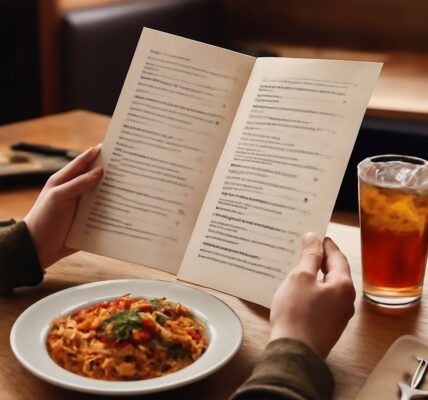
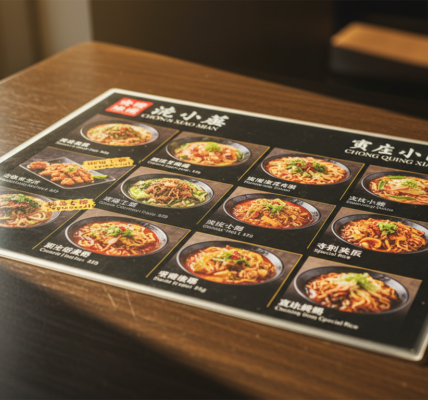
Reviewing produce center photos online before visiting a new market is a practical way to set accurate expectations. Produce center photos shared by shoppers on social media and review sites reveal the market’s scale, the variety of products stocked, the general quality and freshness level of the inventory, and the overall atmosphere. This preview helps you plan your visit — bringing appropriate bags, budgeting correctly, and knowing which areas of the market to prioritize. A carefully designed farmers menu at a farm restaurant or farm stand dining operation similarly benefits from online preview: a farmers menu that photographs beautifully typically reflects a kitchen that cares as much about visual presentation as about flavor, both of which are positive signals about the overall dining experience you can expect.