Portugal’s culinary landscape is a rich tapestry of flavors, offering everything from irresistible desserts to savory delights. For those passionate about tasty treat discoveries, this guide uncovers the secrets behind Portuguese tasty desserts and explores how these traditional delights have inspired new culinary creations. With a blend of history, culture, and innovation, we delve into recipes, tasty desserts photos, and even a surprising connection to tasty teriyaki.
Discovering Portuguese Tasty Desserts
History and Origins of Portuguese Desserts Portugal’s dessert tradition is a treasure trove of history and flavors. The origins of these tasty desserts can be traced back to medieval times when convents were the epicenters of sweet innovation. These conventual sweets, known as “doces conventuais,” are still revered today for their rich ingredients and intricate craftsmanship.
Egg yolks, sugar, and almonds are staples that have defined these recipes over centuries. The influence of the Moors also left a significant mark, introducing new ingredients and methods that enriched the Portuguese dessert repertoire. Each dessert tells a story of cultural exchange and evolution, revealing the essence of the nation’s culinary identity.
Popular Portuguese Desserts
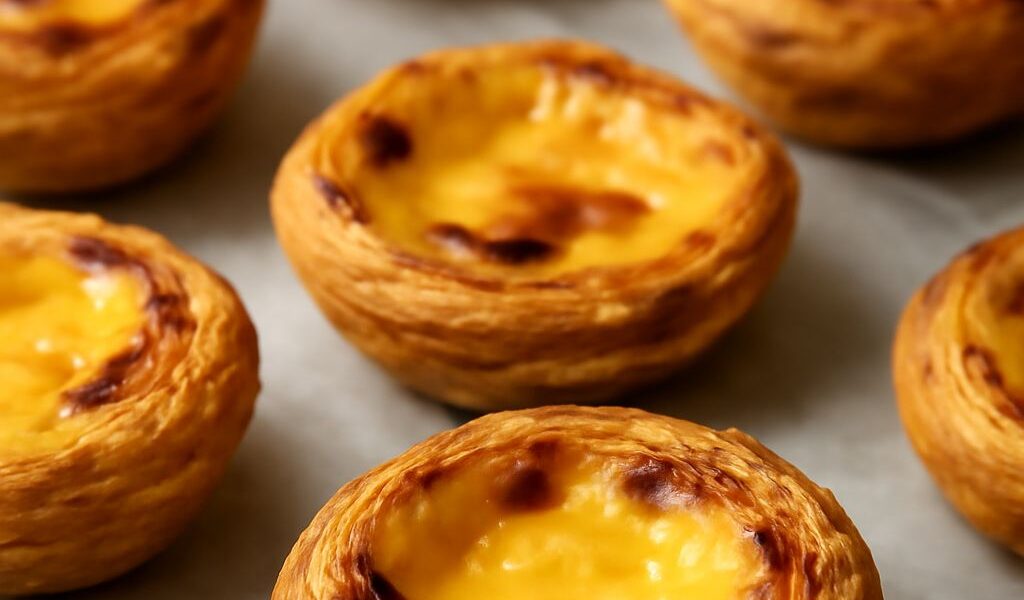
Among the most celebrated Portuguese tasty desserts is the beloved Pastel de Nata. This creamy custard tart, encased in a flaky pastry, is a quintessential treat that captures the heart of Portuguese baking. Other favorites include Pão de Ló, a light sponge cake, and the almond-infused Toucinho do Céu.
These desserts highlight the Portuguese penchant for simplicity and flavor, offering an indulgent experience with every bite. Their popularity extends beyond national borders, turning them into international icons of Portuguese gastronomy.
A Visual Journey: Portuguese Tasty Desserts Photos
Capturing the Essence of Portuguese Sweets Photography plays a vital role in showcasing the beauty of Portuguese tasty desserts. Each photo captures the intricate details and vibrant colors that make these sweets so inviting. Through the lens, one can appreciate the delicate textures and artistry that go into creating each delicious piece.
From close-ups of a caramelized Pastel de Nata to the rich hues of a Bolo Rei, visual storytelling brings the magic of these desserts to life, inviting everyone to taste Portugal with their eyes.
Where to Find Stunning Dessert Photography
Portugal’s local patisseries and bakeries are treasure troves for tasty desserts photos. Cities like Lisbon and Porto host numerous dessert shops where the art of sweet-making is celebrated daily. Additionally, food bloggers and photographers specializing in Portuguese cuisine offer a constant stream of visual inspiration through their social media platforms and websites.
Exploring these resources allows enthusiasts to delve into a visually rich experience, enhancing their appreciation for Portugal’s sweet offerings.
Unveiling the Secrets of a Tasty Treat
Key Ingredients and Techniques
The backbone of any tasty treat lies in its ingredients and preparation methods. Classic Portuguese desserts often rely on basic ingredients like eggs, sugar, and nuts. However, the magic lies in the techniques passed down through generations.
From precise baking times to traditional mixing methods, each step is crucial in achieving the perfect balance of flavor and texture. Learning these secrets is akin to unlocking the mysteries that make these desserts iconic.
Traditional vs. Modern Takes
While tradition plays a significant role in Portuguese tasty desserts, modern twists are constantly emerging. Chefs and home bakers alike experiment with new flavors and presentation styles, giving these classics a fresh perspective.
Whether through incorporating tropical fruits or using innovative plating techniques, these modern adaptations offer a dynamic fusion of old and new, keeping the dessert scene vibrant and exciting.
Beyond Desserts: Exploring Tasty Teriyaki
How Portuguese Cuisine Inspires Teriyaki Flavors
Interestingly, the world of tasty teriyaki has found inspiration in Portuguese cooking. Both cuisines emphasize the balance of flavors and the use of quality ingredients. The Portuguese love for sweet and savory combinations resonates with teriyaki’s umami-rich profiles.
This cross-cultural influence can be seen in fusion dishes that combine elements of both culinary traditions, offering a unique taste experience that celebrates diversity and creativity.
Creating a Fusion of East and West
The fusion of Portuguese sweets and tasty teriyaki flavors represents a culinary dialogue between East and West. By blending the sweetness of Portuguese desserts with the rich, savory notes of teriyaki, chefs craft dishes that are both innovative and comforting.
Such culinary experiments not only broaden the scope of traditional recipes but also highlight the interconnectedness of global cuisines, demonstrating how flavors can transcend geographical boundaries to create something truly special.