The world of restaurant menus is as dynamic and varied as the dishes they describe, providing diners with an adventure in gastronomy. Within this diverse culinary landscape, the jeans menu concept stands out as a versatile approach that embraces traditional and modern elements. Whether you’re a fan of the hearty flavors found on a German menu or curious about the umami-rich dishes on a miso menu, exploring these options can be a tantalizing experience. Additionally, unique styles such as an A Frame menu present innovative ways to engage diners. These distinctive menu pages not only guide patrons through their dining choices but also serve as a vital marketing tool for restaurants. Let’s dive into the fascinating world of restaurant menus and discover what makes them so enticing.
Understanding the Jeans Menu Concept
What is a Jeans Menu?
The jeans menu concept is an innovative approach to restaurant menus, combining the comfort and versatility of jeans with diverse dining options. Much like a favorite pair of jeans, it adapts to various occasions and tastes, offering something for everyone. This model allows for the inclusion of traditional fare alongside contemporary dishes, ensuring that each menu is both unique and familiar.
The Evolution of Restaurant Menus
Restaurant menus have evolved significantly over the years, transitioning from simple lists of available dishes to complex works of art that reflect a restaurant’s brand and culinary philosophy. The jeans menu concept represents this evolution, as it adapts to emerging food trends and customer preferences, integrating modern tastes with time-honored recipes to create a balanced dining experience.
Exploring the German Menu
Traditional Dishes on a German Menu
A German menu is a celebration of rich and hearty flavors. Traditional dishes such as schnitzel, bratwurst, and sauerkraut are staples that have been enjoyed for generations. These iconic items are often complemented by sides like potato salad and red cabbage, creating a well-rounded and satisfying meal.
Modern Takes on German Menu Classics
Modern German menus often incorporate lighter, healthier versions of classic dishes, catering to contemporary tastes. Chefs may experiment with alternative ingredients or cooking methods, offering dishes such as grilled sausages with quinoa salad or vegan versions of traditional meat-based dishes. This fusion of old and new keeps the German menu exciting and relevant.
Delving into the Miso Menu
Popular Items on a Miso Menu
The miso menu is characterized by its emphasis on umami-rich ingredients. Items such as miso soup, miso-glazed salmon, and tofu are popular choices. These dishes highlight the versatility of miso, a fermented soybean paste that adds depth and complexity to a variety of dishes.
Fusion Cuisine: Miso Menu Innovations
The miso menu has expanded beyond traditional Japanese cuisine, inspiring fusion dishes that incorporate global flavors. Chefs may create miso-infused pasta or miso-marinated meats, blending cultural culinary traditions with innovative techniques. This approach not only broadens the appeal of miso but also introduces diners to new taste experiences.
The Unique Appeal of A Frame Menu
Defining Features of an A Frame Menu
An A Frame menu is distinct for its visual and functional appeal. Typically displayed on a stand or easel, it serves as an eye-catching centerpiece in a dining area. Its design often features bold graphics and colors, making it easy for diners to navigate the menu options.
Why A Frame Menus Stand Out
A Frame menus are particularly effective for pop-up events, outdoor dining, and casual establishments. Their portability and adaptability make them ideal for showcasing daily specials or seasonal items. This versatility ensures that the A Frame menu remains a popular choice for restaurateurs looking to make a memorable impression.
The Importance of Menu Pages in Restaurants
Designing Effective Menu Pages
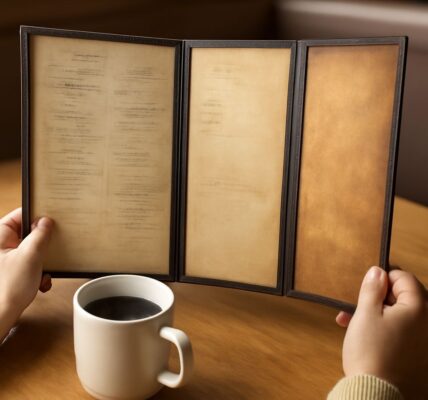
Effective menu pages are crucial for communicating a restaurant’s offerings and brand identity. A well-designed menu page balances aesthetics with functionality, providing clear and concise information that guides diners in their choices. Typography, layout, and imagery all play a role in creating an engaging menu experience.
Menu Pages as a Marketing Tool
Beyond their practical function, menu pages serve as powerful marketing tools. They reflect the restaurant’s theme, cuisine type, and pricing strategy, attracting potential customers and setting expectations. By leveraging design elements and strategic content, menu pages can enhance a restaurant’s appeal and drive customer engagement.