When it comes to local menus, bread and salt represent a profound cultural tradition, embracing the warmth and hospitality inherent in sharing a meal. From classic offerings to modern interpretations, these customs have evolved to include unique breads like turtle bread and kettle bread. Despite occasional gaffs in execution, these delightful breads have found their place on menus, captivating diners with their distinctive tastes and textures. In this article, we’ll delve into the significance of bread and salt as well as explore the innovative additions of turtle bread and kettle bread.
The Tradition of Bread and Salt in Local Menus
Cultural Significance of Bread and Salt The tradition of serving bread and salt is deeply rooted in many cultures, acting as a symbol of hospitality and friendship. Offering bread and salt to guests is a gesture that signifies a warm welcome and an invitation to share in sustenance and community. Local menus often feature this pairing to honor these values, reinforcing the communal aspect of dining.
While bread and salt have traditionally been simple staples, their presence on local menus continues to provide diners with a sense of home and belonging. The incorporation of unique breads, such as turtle bread and kettle bread, adds a modern twist to this enduring tradition while maintaining its essence.
Modern Takes on Bread & Salt
Today’s interpretations of bread and salt on local menus are innovative, yet respectful of their origins. Chefs are experimenting with various types of bread, such as turtle bread, to enhance flavor profiles and offer something unexpected. Kettle bread, known for its crispy crust and airy texture, has also become a favorite addition to these offerings.
These modern takes not only preserve the cultural significance of bread and salt but also push culinary boundaries, allowing diners to experience the familiar in exciting new forms. By embracing unique breads like turtle and kettle, local menus ensure that tradition meets creativity in a harmonious blend.
Gaffs and Their Role in Menu Development
Understanding Gaffs in Culinary Context In the world of culinary arts, gaffs refer to missteps or errors that sometimes occur during the creation or execution of a dish. While often considered drawbacks, gaffs can unexpectedly lead to innovative menu developments. In local dining, the introduction of turtle bread and kettle bread has sometimes been accompanied by gaffs, which ultimately contribute to refining and enhancing the dining experience.
Embracing these challenges allows chefs to learn and adapt, ensuring that the unique textures and flavors of turtle bread and kettle bread are perfected before reaching diners. Understanding gaffs in this context highlights the dynamic nature of culinary arts, where experimentation can result in delightful surprises.
How Gaffs Influence Menu Choices
Gaffs play a significant role in shaping menu choices, often leading to unexpected opportunities for creativity. Mistakes in initial turtle bread recipes, for example, have prompted chefs to explore alternative ingredients or techniques, resulting in a more refined product. Similarly, adjustments made during the kettle bread baking process can enhance its appeal on local menus.
Through these culinary hiccups, restaurants can discover new flavors and textures that elevate traditional bread and salt offerings. Gaffs encourage continuous improvement, ensuring that turtle bread and kettle bread not only meet customer expectations but also surprise and delight diners as standout features on local menus.
Unique Breads: Turtle Bread and Kettle Bread
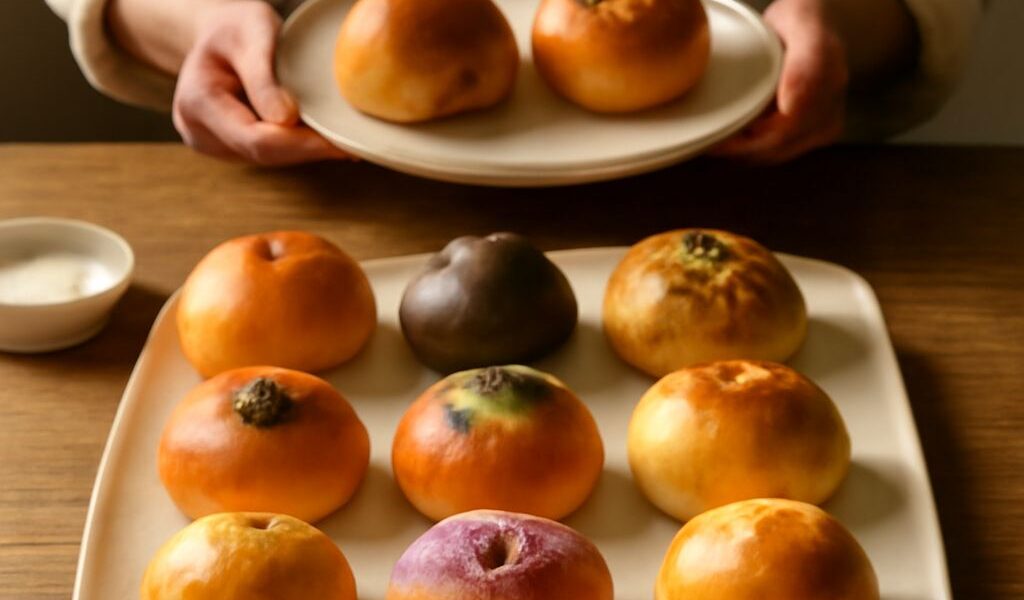
The Art of Baking Turtle Bread Turtle bread is a unique addition to local menus, captivating diners with its creative design and tantalizing flavors. Shaped to resemble a turtle, this bread combines artistry with culinary skill, offering a delightful visual and taste experience. The art of baking turtle bread involves precise techniques and a touch of whimsy, drawing upon traditional methods while introducing modern elements.
This distinctive bread not only complements the bread and salt tradition but also adds a playful twist that intrigues diners. Turtle bread’s popularity is testament to the innovative spirit in today’s culinary scene, where traditional forms are reimagined to captivate modern audiences.
Why Kettle Bread is a Menu Favorite
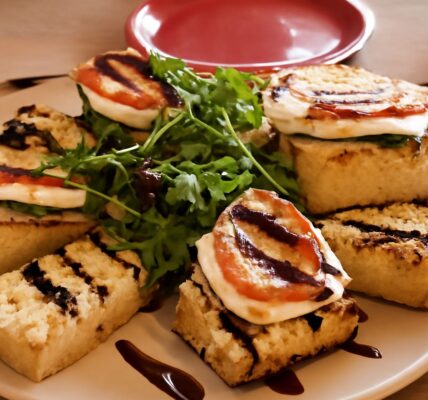
Kettle bread, with its crunchy exterior and fluffy interior, has quickly become a favorite on local menus. This bread is baked using a special technique that involves boiling the dough before baking, resulting in a satisfyingly crisp crust. Its versatility and unique texture make kettle bread a delightful complement to various dishes, enhancing the bread and salt tradition with contemporary flair.
Local diners appreciate kettle bread for its ability to pair seamlessly with a variety of flavors, from savory to sweet. As a staple on menus, the inclusion of kettle bread reflects a commitment to offering diverse and enticing options, ensuring that tradition evolves to meet the expectations of today’s discerning diners.