Red dye 40, a widely used artificial colorant, is prevalent in many foods and beverages. As consumers become more conscious of their health and dietary choices, understanding what red 40 is made of, and identifying foods with red dye 40, has become crucial. This guide will delve into these questions and explore strategies for avoiding this ingredient while maintaining a budget-friendly approach to smart shopping.
Introduction to Red Dye 40
Red dye 40, also known as Allura Red AC, is one of the most commonly used food colorings in the United States. It’s found in a wide range of products, from breakfast cereals to candies and sodas. While it enhances the visual appeal of foods, there has been growing concern about its impact on health, prompting many to investigate deeper into what exactly red dye 40 is and how it affects us.
What is Red 40 Made Of?
Red 40 is a synthetic dye derived from petroleum byproducts. The key components of red 40 include various aromatic hydrocarbons, which are processed to produce the vibrant red color. This synthetic origin raises concerns among consumers seeking natural food products. Regulatory bodies like the FDA have deemed red dye 40 safe for consumption; however, ongoing debates and studies continue to examine its potential health effects, particularly in children.
Understanding the composition of red 40 is essential for those who wish to avoid artificial additives. By knowing what red 40 is made of, consumers can make informed decisions, especially when opting for natural or organic alternatives. It’s vital to look for labels that specify artificial colorings to avoid unintended consumption of this dye.
Foods with Red Dye 40
Red dye 40 is ubiquitous in a variety of food products, particularly in processed and packaged items. These include soft drinks, baked goods, candies, and even some snack foods. Additionally, red dye 40 can be found in unexpected places like certain types of cheese and yogurt. For those concerned about dietary intake, identifying foods with red dye 40 is crucial.
When shopping, scrutinizing ingredient lists is key to spotting this artificial colorant. Often, red dye 40 is listed as “Red 40” or “Allura Red” on packaging. Such vigilance helps consumers steer clear of this additive, particularly in products targeting children, like brightly colored snacks and sweets.
Smart Shopping: Avoiding Red Dye 40 on a Budget
Adopting a budget-conscious approach while avoiding red dye 40 involves strategic shopping and meal planning. First, focus on whole foods, such as fresh fruits and vegetables, which are naturally devoid of artificial additives. By prioritizing foods in their natural state, you reduce the risk of consuming unwanted colorants.
Shopping at local markets or opting for store-brand products labeled as dye-free can also help in managing costs. Many manufacturers now offer alternatives that do not contain artificial colorants, providing options for those who wish to eliminate red dye 40 from their diet without overspending.
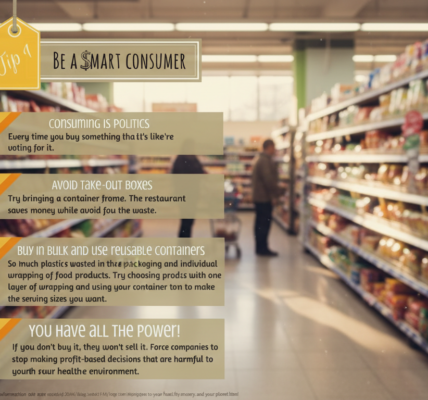
Moreover, becoming an informed consumer is vital. Understand the labels and claims on packaging and seek out brands committed to transparency in their ingredient lists. With careful planning and awareness, it is possible to minimize exposure to red dye 40 and maintain a balanced diet without breaking the bank.
Conclusion: Making Informed Choices
Red dye 40 presents a challenge for consumers aiming for a healthier lifestyle. By understanding what red 40 is made of and identifying foods with red dye 40, individuals can make informed dietary choices. Embracing smart shopping practices ensures that you can avoid this synthetic dye while adhering to a budget-friendly lifestyle.
Ultimately, the key lies in awareness and proactive consumer behavior. Whether it’s reading labels diligently or choosing natural food products, informed decisions empower consumers to manage their dietary intake effectively, especially when it comes to artificial additives like red dye 40.