If you’re hungry for bold beef flavor and looking to expand your grilling repertoire, tri tip delivers a memorable experience. This cut has sparked curiosity and devotion among BBQ lovers nationwide, but many still wonder: where does tri tip come from, and what makes it unique? In this guide, we’ll answer “what is a tri tip roast,” explore its origins, and share why tri tip deserves a special spot on your BBQ menu.
Mastering tri tip isn’t just about firing up the grill—it’s about understanding how this cut’s background and preparation distinguish it from other steaks and roasts. Whether you’re a seasoned pitmaster or a backyard grilling enthusiast, dive in to discover everything you need to know about tri tip, where to find it, and how to make it shine at your next cookout.
Introduction to Tri Tip
The tri tip cut is a favorite among BBQ aficionados and grill masters for its remarkable combination of flavor, tenderness, and versatility. Recognizable by its triangular shape, tri tip packs robust beefy notes and a pleasantly juicy texture. Its reputation has grown from regional specialty to nationwide staple, thanks to its adaptability for both grilling and smoking.
Though tri tip originated in California, word has spread rapidly, and it’s now a sought-after choice for those seeking something beyond the usual brisket or ribeye. The cut has established its place in BBQ culture due to its relatively quick cook time, satisfying texture, and ability to soak up marinades and rubs. Whether sliced thin for sandwiches or served as hearty slabs, tri tip promises an unforgettable eating experience.
With increasing demand, butchers and supermarkets across the country now regularly stock tri tip, so it’s easier than ever to add this star performer to your BBQ lineup. Appreciating the nuances of tri tip, from its origins to optimal preparation methods, ensures you get the most out of each mouthwatering bite.
Where Does Tri Tip Come From?
Understanding where does tri tip come from is key to appreciating its unique attributes. Tri tip is cut from the bottom sirloin subprimal, specifically the triangular muscle at the sirloin’s tip. This location is found toward the rear of the cow, just above the flank and between the round and loin. Due to its partial use in the animal’s movement, it’s lean but still marbled enough to offer juicy tenderness when cooked properly.
The story of tri tip’s rise begins in California’s Central Coast—Santa Maria, to be exact—where ranchers and chefs brought this underappreciated muscle into the spotlight in the mid-20th century. For decades, the cut was often ground into hamburger or used for stew meat outside of California. Now, thanks to its regional popularity and word-of-mouth recommendations, tri tip has earned recognition across the U.S. and even worldwide.
When you ask your butcher “where does tri tip come from,” it’s helpful to know that the cut may go by other names, such as “bottom sirloin roast” or “triangle roast,” depending on the region. Regardless of the name, its distinctive shape and position on the cow are unmistakable. This background not only influences how tri tip should be cooked, but also why it offers such a satisfying mix of meaty chew and tenderness.
Because the cut is boneless and manageable in size—typically ranging from 1.5 to 3 pounds—tri tip is perfect for home grilling, easy carving, and feeding a crowd without fuss. Familiarity with where tri tip comes from helps ensure you select the best possible piece and prepare it to highlight its natural strengths.
What Is a Tri Tip Roast?
If you’re still asking “what is a tri tip roast,” you’re not alone. This particular roast is a triangular, boneless piece of beef that is usually trimmed to remove excess fat but left with enough marbling to provide flavor. Weighing between one and three pounds, it cooks more quickly than larger roasts, making it ideal for grilling or oven roasting without sacrificing juiciness or depth of taste.
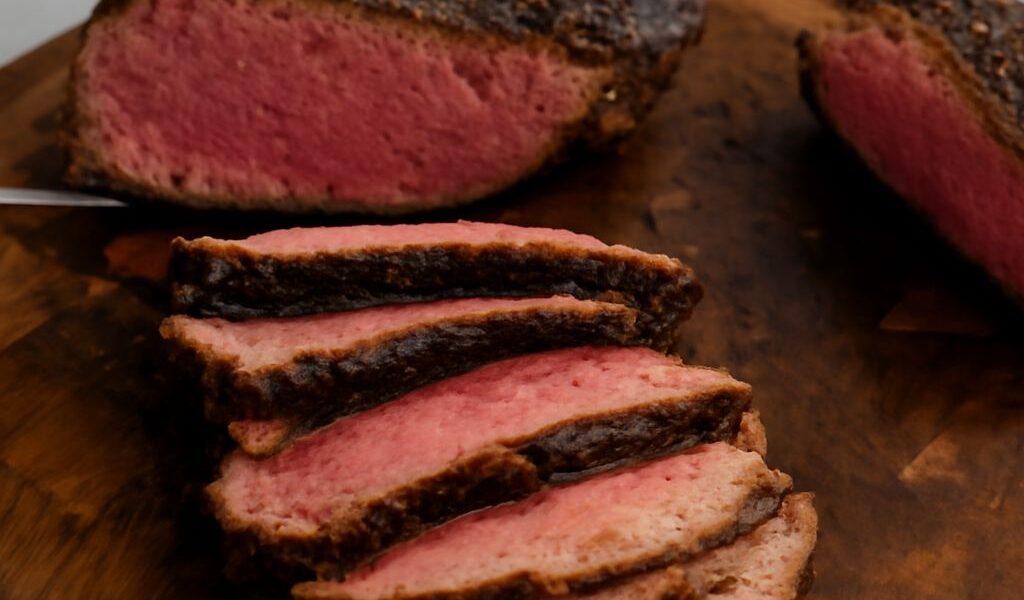
The tri tip roast’s standout feature is its shape and grain, which run in two different directions. This means careful slicing—against the grain—results in maximum tenderness. When shopping, look for a roast with a deep, red color and a fine web of fat throughout. Whether you’re preparing the classic Santa Maria-style tri tip or experimenting with new seasonings, this roast stands up beautifully to dry rubs, marinades, and hardwood smoke.
What makes a tri tip roast even more special is its ability to satisfy a variety of preferences. You can achieve a nice char and smoke ring on the outside while keeping the interior medium-rare, which offers a perfect balance for those who like a tender steak with a crisp crust. Many grillers view this roast as a best-of-both-worlds cut, offering the heartiness of a steak with the sharing-friendly appeal of a small roast.
Beyond grilling, the tri tip roast adapts well to roasting and sous vide methods, thanks to its shape and size. However, the grill remains the gold standard for drawing out its full flavor potential, making tri tip a must-try for anyone who appreciates beef’s diverse cuts.
Best Ways to Grill and Serve Tri Tip
For those eager to experience the signature flavors of tri tip, grilling is the method of choice. Start by seasoning the roast generously with coarse salt, cracked pepper, garlic powder, and, if you want a traditional touch, a blend of paprika and dried herbs. Allow the tri tip to rest at room temperature while you bring your grill to medium-high heat—aim for a two-zone setup for optimal control.
Sear the tri tip directly over the hottest part of the grill to develop a rich crust, then move it to indirect heat to finish cooking gently. Monitoring the internal temperature is crucial; remove the roast when it reaches 130–135°F for medium-rare, as tri tip continues to rise in temperature while resting. Slice thinly across the grain to maximize tenderness, and let each piece showcase the roast’s deep flavor.
Classic BBQ menus often feature tri tip as a centerpiece, but it shines just as brightly in sandwiches, tacos, or salads. Pair it with chimichurri, salsa, or a simple garlic butter for an extra kick. Don’t overlook leftovers—sliced tri tip is excellent in wraps or breakfast hashes, ensuring this roast never goes to waste.
For those who prefer a smoky dimension, try adding oak or hickory wood chips to your grill or smoker. This technique echoes the Santa Maria tradition and brings out the best in tri tip, highlighting its rich beef essence and keeping the roast juicy and flavorful from edge to edge.
Why Tri Tip Belongs on Your BBQ Menu
Few cuts balance flavor, tenderness, and ease of preparation as effectively as tri tip. What is a tri tip roast if not a crowd-pleaser that elevates any backyard gathering? Its manageable size means it’s quick to grill, simple to portion, and delivers consistent results even for those new to smoking or BBQ.
Adding tri tip to your BBQ selection is also a nod to its storied heritage. Serving this roast introduces friends and family to a tradition that began in California’s cattle country and has since become a staple at cookouts across the nation. The cut’s adaptability means it’s well-suited for everything from casual family meals to competition-level BBQ feasts.
Where does tri tip come from is more than a butcher’s question—it’s an invitation to discover a cut that rewards attention and creativity. Whether you season it simply or experiment with bold new flavors, tri tip stands out as much for its backstory as for its taste.
By bringing tri tip to your grill, you celebrate the best of BBQ culture: uniting flavorful cuts, time-honored techniques, and the joy of sharing great food with those who matter most. Next time you plan your menu, make room for this exceptional roast—you won’t regret it.