The world of Egypt food is a vibrant tapestry of flavors, textures, and traditions that have captivated food lovers for centuries. Within the spectrum of Asian menus, typical Egyptian food stands out for its unique fusion of Mediterranean and Middle Eastern influences, offering an enticing array of dishes built upon rich history and carefully selected ingredients. For those exploring the culinary landscape, understanding both the essence of Egypt food and the defining features of typical Egyptian food is key to appreciating its enduring appeal.
Egypt’s cuisine is renowned for its fragrant spices, hearty grains, and inventive ways of highlighting vegetables and legumes. Whether you’re seeking classic comfort fare or bold new tastes, typical Egyptian food has something to delight every palate. From family gatherings to bustling street markets, these dishes are woven into daily life, carrying the stories and flavors of an ancient culture into the present day.
Introduction to Egypt Food: A Rich Culinary Heritage
Egypt food is deeply intertwined with the country’s rich history, geography, and cultural exchanges. Over thousands of years, Egyptian cuisine has evolved through Pharaonic, Greco-Roman, Arab, Ottoman, and colonial influences, creating a truly distinct food culture. The Nile River, essential to Egypt’s agriculture, has always provided fertile soil for grain and vegetable cultivation, forming the backbone of the country’s diet.
Meals in Egypt are often communal, reflecting the significance of sharing and hospitality in Egyptian society. Dishes are balanced for both flavor and nutrition, commonly featuring a blend of fresh produce, grains like rice and bulgur, and aromatic herbs such as coriander and dill. Egyptian food traditions emphasize resourcefulness and creativity, making use of every part of the ingredient and incorporating methods handed down through generations.
While Egypt’s food scene is continuously evolving, many classic preparations remain unchanged, linking modern Egyptians with their ancestors. Meals range from simple street snacks to elaborate feasts, each reflecting the bounty of local farms and the ingenuity of home cooks. This enduring heritage is what makes typical Egyptian food such an essential part of Egypt’s cultural identity.
Key Ingredients and Flavors Found in Typical Egyptian Food
The heart of typical Egyptian food lies in its core ingredients, which form the foundation of countless beloved dishes. Legumes such as fava beans, lentils, and chickpeas are culinary staples, often featured in hearty stews, spreads, and street foods. Wheat and rice play a significant role, with bread—particularly baladi, a rustic, round flatbread—being a fixture at every meal.
Herbs and spices are used with a deft hand in Egypt food, providing bold yet balanced tastes. Staples like cumin, coriander, garlic, and onion add warmth and depth to both meat and vegetarian dishes. Sumac, cinnamon, and bay leaves are also common, imparting subtle layers of flavor. Fresh herbs, especially parsley and mint, are used generously as garnish or mixed into salads and dips.
Vegetables such as eggplant, zucchini, okra, and tomatoes are frequently seen, often cooked with olive oil and fragrant with spices. Dairy products, including yogurt and cheese, offer cooling contrasts, while lemon juice and vinegar brighten and balance richer flavors. Across the menu, Egyptian cooks aim for harmony: no single spice or ingredient dominates, but rather each contributes to an overall sense of balance and satisfaction.
Popular Typical Egyptian Food Dishes to Try
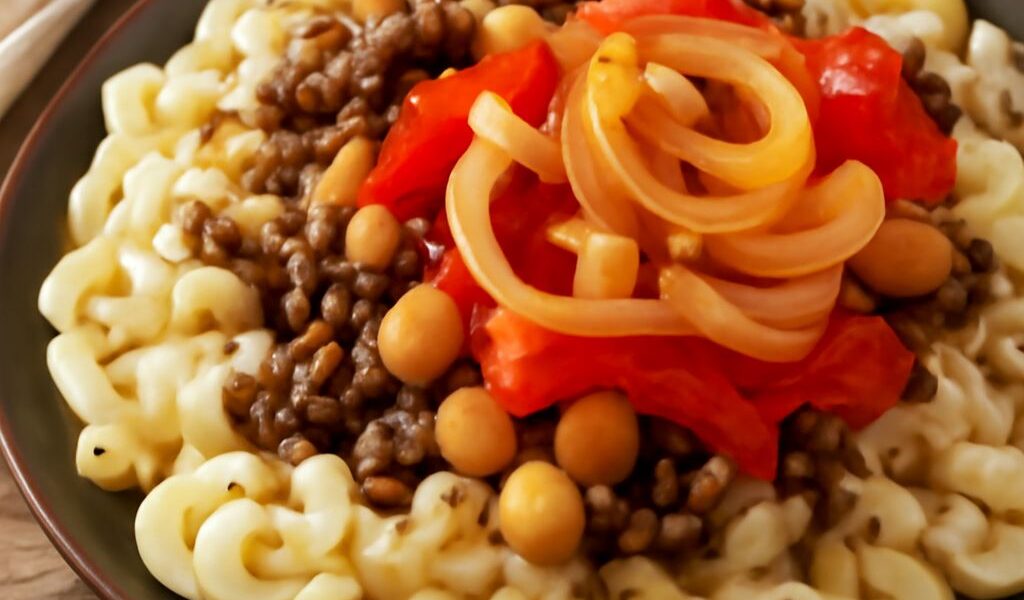
Exploring typical Egyptian food is a delight for the senses, offering a wealth of dishes both familiar and unique. One of the most iconic is ful medames, a breakfast staple of slow-cooked fava beans flavored with cumin, olive oil, and lemon, often topped with eggs or vegetables. Another beloved dish is koshari, a carb-lover’s dream that layers rice, lentils, macaroni, chickpeas, spicy tomato sauce, and crispy onions—Egypt’s ultimate comfort food.
For those who enjoy savory pastries, ta’ameya—Egypt’s version of falafel made with fava beans instead of chickpeas—offers a crunchy, herbaceous bite. Molokhia, a green soup made from jute leaves and seasoned with garlic and coriander, is another classic. Grilled meats such as kofta and shawarma are popular at gatherings and street stalls alike, often served with flatbread and tangy pickles.
Egypt food is also rich in sweets. Basbousa (a semolina cake soaked in syrup), konafa (a dessert of shredded pastry and nuts), and rice pudding often grace the table during special occasions. These dishes, both savory and sweet, showcase the depth and diversity typical Egyptian food brings to both local and Asian-influenced menus.
How Egypt Food Influences and Integrates with Asian Menus
Although Egypt is geographically part of North Africa, its cuisine shares numerous connections with the greater Asian food landscape. The aromatic spices, love of legumes, and shared cooking techniques have made Egypt food a natural fit for Asian menus, especially in pan-Mediterranean or Middle Eastern-Asian fusion restaurants.
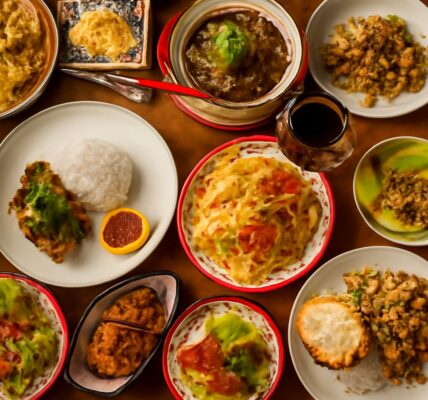
Many Asian eateries incorporate typical Egyptian food elements by featuring mezze platters with baba ghanoush, hummus, and falafel, showcasing the versatility of Egyptian flavors. The bright, herb-forward salads and grain-based dishes complement the flavors of Southeast and South Asian cuisines, creating harmonious pairings.
Egyptian seasoning blends—including dukkah, a mix of nuts, seeds, and spices—are increasingly used to add depth to rice, grilled vegetables, and even seafood in Asian fusion dishes. As chefs explore the synergies between Egypt food and Asian traditions, diners are introduced to new combinations that honor both culinary heritages while creating exciting flavor experiences.
Enjoying Typical Egyptian Food: Tips for an Authentic Experience
To truly appreciate typical Egyptian food, it’s important to embrace the customs and context in which these dishes are enjoyed. Sharing meals with others, using pieces of bread to scoop up dips and stews, and savoring small plates as part of a larger spread are all rooted in Egyptian dining culture. Look for eateries that prioritize fresh ingredients, traditional preparation methods, and a welcoming atmosphere to get the most out of Egypt food.
When dining out or cooking at home, don’t hesitate to try Egypt’s numerous vegetarian offerings, as they showcase the cuisine’s creativity with vegetables and legumes. Explore the use of local herbs, and experiment with adding Egyptian spices to familiar recipes for a new twist on everyday meals.
Finally, engage with the stories behind each dish. Many typical Egyptian food recipes are steeped in history, with every ingredient and technique reflecting centuries of trade, migration, and innovation. By approaching Egypt food with curiosity and an open mind, you’ll find endless ways to celebrate one of the world’s most fascinating and flavorful cuisines.