Troyer’s Discount Grocery: Your Complete Guide to Discount Grocery Shopping and the Best Deals
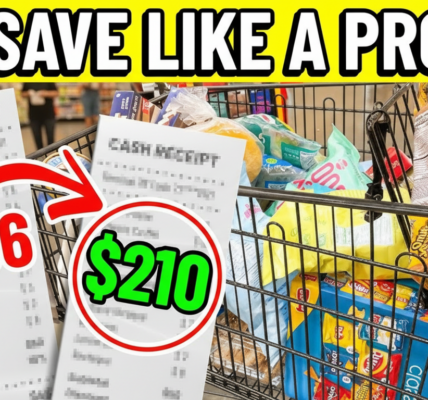
For shoppers looking to stretch their food budget without sacrificing quality, Troyer’s discount grocery represents a category of store that delivers genuine value. Discount grocery shopping has grown significantly in popularity as households look for ways to reduce monthly food costs, and stores like Troyer’s have emerged as trusted alternatives to conventional supermarkets. Whether you’ve heard about j discount labels, noticed b discount pricing formats, or seen signs advertising 2 discount deals, understanding how these pricing systems work helps you shop smarter and save more.
Discount grocers operate on a fundamentally different business model than traditional supermarkets — one that passes savings directly to shoppers rather than spending heavily on elaborate store fixtures and marketing. This guide explains how Troyer’s discount grocery works, what to look for when discount grocery shopping, and how to decode the deal labels that experienced discount shoppers know how to leverage.
What Is Troyer’s Discount Grocery and How Does It Work
The Troyer’s Discount Grocery Business Model
Troyer’s discount grocery stores specialize in offering name-brand and quality private-label products at significantly reduced prices. The Troyer’s discount grocery model typically involves purchasing overstocked items, short-dated products, discontinued lines, and slightly damaged packaging from manufacturers and distributors at a fraction of the wholesale cost, then passing those savings along to customers. This approach requires savvy purchasing and rapid inventory turnover, but when executed well, it results in stores where shoppers regularly find items at 30–70% off conventional retail prices.
Why Shoppers Choose Discount Grocery Stores
Beyond pure price savings, discount grocery shopping attracts shoppers who enjoy the treasure-hunt element of browsing a store where the inventory changes frequently. Unlike conventional supermarkets with stable, predictable shelves, discount grocery stores offer rotating stock that rewards regular visits. Shoppers who visit Troyer’s discount grocery weekly often discover deals on premium items — specialty cheeses, artisan snacks, organic products — that they wouldn’t otherwise be able to afford at regular price. This combination of savings and discovery creates strong customer loyalty in the discount grocery segment.
Understanding Discount Grocery Shopping
How Discount Grocery Stores Source Their Products Discount grocery shopping is built on a supply chain that differs fundamentally from conventional retail. Discount grocers source their inventory through several channels: manufacturer overruns (too much product was made), packaging changes (old design still being sold), close-dated items (approaching but not yet past best-by dates), and insurance or transportation damage (product is fine but the case was dented). Understanding these sourcing methods helps shoppers evaluate items confidently. Discount grocery shopping at reputable stores like Troyer’s means the products are always safe — the discount reflects supply chain circumstances, not quality issues.
Comparing Discount Grocery Shopping to Conventional Supermarkets
The primary trade-off in discount grocery shopping is inventory predictability. Conventional supermarkets guarantee you’ll find the same brand of cereal or pasta sauce on every visit. Discount grocery stores cannot make that guarantee — when the stock is gone, it’s gone. Experienced discount shoppers compensate by buying larger quantities of items they use regularly when they find them at great prices. They also maintain a flexible meal planning approach, building meals around what’s available rather than shopping for specific ingredients. This mindset shift is the key to successful discount grocery shopping.
Decoding J Discount, B Discount, and 2 Discount Deals
What J Discount and B Discount Labels Mean Discount grocery stores often use internal pricing codes that shoppers learn to recognize over time. J discount and b discount labels typically denote specific markdown categories within a store’s pricing system. A j discount tag might indicate items discounted due to being close to their best-by date — still perfectly good to consume but being moved quickly. A b discount label often signals a damaged-packaging markdown, where the product inside is intact but the outer case or label shows cosmetic imperfection. Learning what j discount and b discount labels mean in your specific store helps you identify the best values with confidence.
How to Use 2 Discount and Multi-Item Deals Strategically
A 2 discount promotion refers to deals structured around buying two items to unlock a deeper discount — a form of volume pricing common in discount grocery stores. The 2 discount format rewards shoppers who can use multiples of the same product before the best-by date. To use 2 discount deals strategically, focus on shelf-stable items: canned goods, dry pasta, condiments, and packaged snacks. Avoid applying 2 discount thinking to perishables unless you have a clear plan for using both items. When used correctly, 2 discount offers are among the most powerful tools in the discount grocery shopping arsenal.
Getting the Most from Your Discount Grocery Visits
Shopping Strategies for Discount Grocery Stores Getting maximum value from Troyer’s discount grocery and similar stores requires a few key habit adjustments. Visit frequently — ideally two to three times per week — to catch new inventory before it sells out. Bring a reusable bag and be ready to make quick decisions; popular items at discount stores disappear fast. Keep a running mental list of your household staples so you recognize a great deal when you see one. And always check best-by dates: at a discount grocery store, you’re buying items closer to their use date, so purchase only what you’ll realistically consume in the relevant timeframe.
What to Buy and What to Skip at Discount Stores
The best buys at Troyer’s discount grocery and similar discount grocery shopping destinations are shelf-stable, non-perishable items where the discount reflects overstock or packaging issues rather than quality concerns. Canned goods, condiments, crackers, cookies, pasta, rice, coffee, tea, and personal care products are ideal discount grocery purchases. Exercise more caution with fresh produce, meat, and dairy — these categories require careful inspection of dates and condition. The core rule of discount grocery shopping is simple: buy based on what you’ll actually use, not just on what’s cheap. A great deal on something you don’t need is never actually a saving.