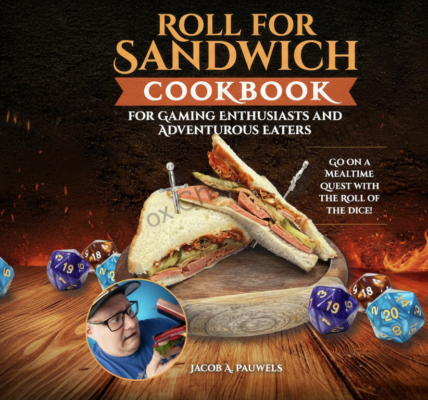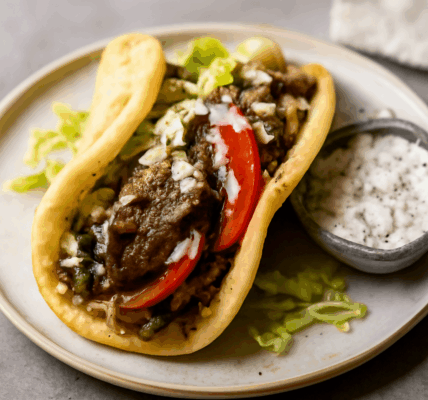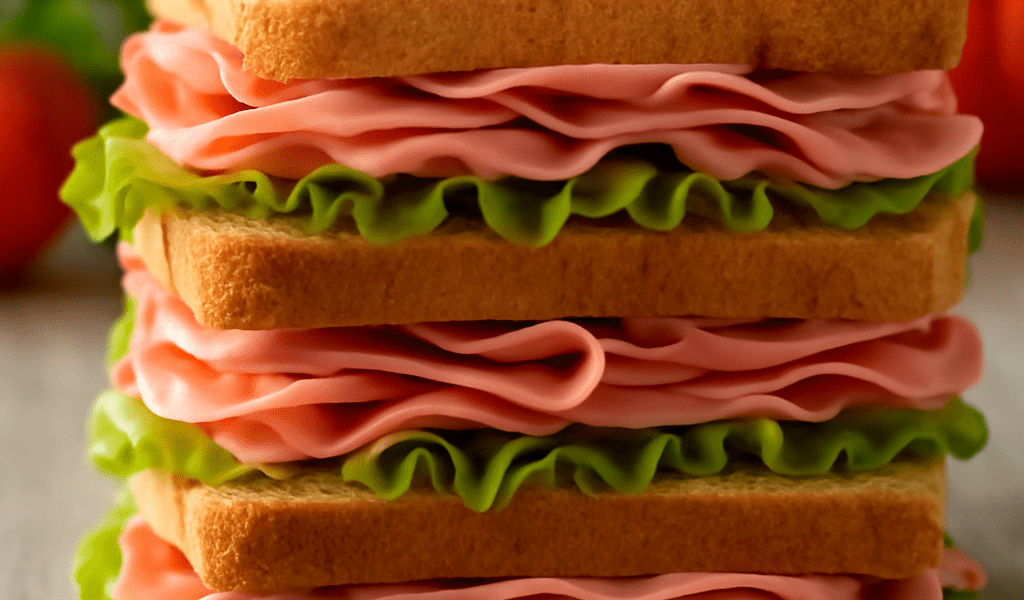
A quick answer makes the menu easier to read: the familiar meal puts a filling between pieces of bread, although restaurants serve it in several forms. The ordinary meaning of the term is broader than one recipe. An English title entered the story in the 18th century, but the food-and-bread idea is much older.
Definition of Sandwich: The Everyday Meaning
What is a sandwich in the simplest sense? Think of sliced bread holding a filling such as cheese, meat, or vegetables. A Merriam-Webster entry also includes a split roll with a filling and an open-faced version served on a single slice. The bread and filling make the basic arrangement; they do not prescribe one particular ingredient. That is how this bread-and-filling meal is defined in ordinary use.
What is a sandwich when you see it on a menu? The listing may describe two slices, a bun, a roll, or an open-faced serving. A grilled cheese usually has two pieces of bread with melted cheese between them. A deli sub typically uses a split roll, while an open-faced turkey version leaves its topping visible. These examples show what counts as a sandwich in everyday use. The meaning of this food category does not, by itself, specify the bread or filling.
The definition of sandwich is useful as a starting point, not a promise about portion size. A small tea-time serving and a large deli order can both fit the ordinary category. What qualifies as a sandwich depends on the arrangement, not the size of the portion. If you are comparing lunch options, read the listed bread, filling, toppings, and sides before comparing prices. A lower price may buy a smaller portion, or it may simply leave out a side you do not want.
The Earl and the name
Why is a sandwich called a sandwich? The food name is linked to John Montagu, the fourth Earl of Sandwich, an 18th-century British statesman. Merriam-Webster traces the term to his title. Sandwich was a title associated with a place in Kent, England; the earl’s family name was Montagu, not Sandwich.
The origin of the word sandwich belongs to a period when the name began appearing in English records. Historian Edward Gibbon mentioned the food in his journal in 1762, describing men eating it in a London setting. That is early evidence that the term was in use; it does not record the moment somebody first spoke it. HISTORY’s account notes that Gibbon did not identify the earl as the namesake in that entry.
So where did the word sandwich come from? The accepted connection is the earl’s title. That answers a question about the English word, not about who first thought of putting food with bread. People had combined bread and fillings in different places and forms long before Montagu lived. A modern menu item does not need to reproduce an 18th-century meal to share the later name.
A good story, with limits
A scene at a card table is often used to explain the connection. In the popular telling, the earl wanted meat between bread so he could eat without interrupting a long gambling session. It is a memorable picture of a portable meal, but the precise episode is less certain than the connection between the food name and his title.
French travel writer Pierre-Jean Grosley later described a gambling scene involving a nobleman eating meat with bread. As HISTORY explains, his account did not actually use the food’s name, and identifying the unnamed nobleman with Montagu involves an inference. Treat the card-table explanation as a story about the name, not a documented transcript of the first order.
That distinction matters when sharing the history. You can say the dish was named for the earl without claiming that a particular hand of cards produced the first one. Likewise, saying the name appeared in the 1760s does not establish that no one had eaten a similar combination before then. A documented use shows the term existed by that date; earlier spoken use may have left no surviving record.
Use the label when ordering
A category can tell you roughly what to expect, but the details determine whether the order suits you. Before paying, check three things:
- Bread and format. A toasted roll travels differently from a soft slice. Ask whether an open-faced order comes with utensils if you need a meal you can carry.
- Filling and additions. Look for the main ingredient, cheese, vegetables, and sauces. If an ingredient matters to you, confirm whether it is included or costs extra.
- What the price covers. Check whether the listed price is for the item alone or includes chips, a drink, or another side. Compare the complete order you actually want.
For takeout, consider how long the meal will sit before you eat. Sauce packed separately can help keep bread from becoming soggy; hot fillings and crisp vegetables may also travel better apart. Ask the restaurant what it can pack separately, since its usual preparation and packaging may differ.
The same practical approach helps with unfamiliar names. A regional name can point to a particular bread or filling, but a short menu description may leave out the details. Ask about the ingredients and serving size rather than assuming two similarly priced items will be equally filling.
Was the earl the first person to put a filling with bread? No. The broader practice is older, and its first inventor is not known.