The vibrant world of mobile cuisine has taken an exciting turn with the rise of Korean food trucks. These culinary innovators blend traditional Korean flavors with the convenience and accessibility of street food, transforming the urban dining scene. As we delve into the history of food trucks, we see how food buses and food truck courts have reshaped the way we enjoy meals. Join us on this flavorful journey as we explore the unique facets of Korean food trucks and their role in modern gastronomy.
The Emergence of Korean Food Trucks
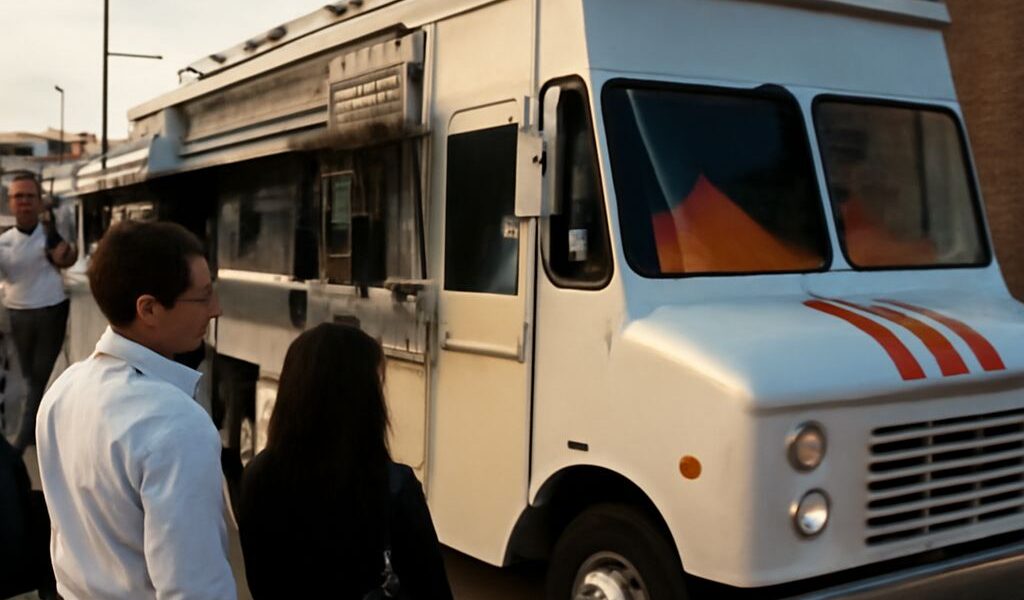
Korean food trucks have rapidly gained popularity in urban centers around the globe. These mobile kitchens offer a dynamic fusion of authentic Korean dishes and modern culinary creativity. The emergence of Korean food trucks is both a cultural and gastronomic phenomenon, introduced to cater to the fast-paced lifestyles of city dwellers who crave quick yet quality meals.
Combining traditional Korean ingredients with innovative cooking techniques, these trucks provide a unique dining experience. The fusion of bold flavors and affordable prices has attracted a diverse audience, further fueling their growth and expansion in bustling cities.
A Brief History of Food Trucks
To understand the rise of Korean food trucks, one must first delve into the broader history of food trucks themselves. Originating in the late 19th century, the food truck concept began with mobile canteens serving meals to factory workers. Over the decades, these food trucks evolved into diverse culinary vehicles, reflecting the changing tastes and cultural landscapes.
From the iconic taco trucks of Los Angeles to the gourmet food trucks of New York, the history of food trucks is marked by innovation and adaptation. This evolution paved the way for the introduction of Korean food trucks, which have become a staple in the global street food scene.
Innovative Concepts: From Food Bus to Food Truck Court
The innovative spirit of the food truck industry is exemplified by concepts like the food bus and food truck court. A food bus takes the mobile dining experience to another level, offering seating and extended menus while traveling from one location to another. This concept has inspired many Korean food entrepreneurs to think outside the box and develop unique offerings.
Meanwhile, the food truck court brings together multiple food trucks in one location, creating a vibrant culinary marketplace. This setup not only provides customers with a wide array of options but also fosters a sense of community among food enthusiasts. Korean food trucks have thrived in these environments, showcasing their diverse menus and attracting food lovers from all walks of life.
Exploring Menus: The Allure of Korean Cuisine on Wheels
At the heart of every Korean food truck is a menu that captures the essence of Korean cuisine. From savory bulgogi to spicy kimchi, these menus offer a wide range of dishes that cater to various taste preferences. The allure of Korean cuisine on wheels is its ability to provide authentic flavors in a convenient and accessible manner.
Food enthusiasts can enjoy traditional dishes like bibimbap, tteokbokki, and Korean fried chicken, all expertly prepared and served fresh from the truck. The menu often includes creative twists on classic recipes, such as kimchi tacos or bulgogi sliders, which highlight the versatility and adaptability of Korean culinary heritage.
The impact of these mobile eateries goes beyond just food. They serve as cultural ambassadors, introducing the vibrant tastes and culinary traditions of Korea to a global audience. As these food trucks continue to roam the streets, they not only enrich the urban dining experience but also contribute to the ever-evolving narrative of food culture.