If you’ve browsed any classic deli and sandwich shop menu, you’ve likely spotted the Cornish pasty alongside other pasty food favorites. To the uninitiated, the term “pastie” may simply conjure images of golden pastry, but the Cornish pasty is much more than just another baked good. This hearty, handheld meal is steeped in history and offers a distinct answer to the question: what is a pasty? Whether you’re a curious foodie or a loyal fan, join us as we unwrap the legacy, flavors, and enduring appeal of the beloved pasty.
Today, the Cornish pasty stands as a true icon in the world of pasty food, celebrated for its simple yet satisfying filling and unmistakable crimped crust. Understanding what is a pasty, and why pasties occupy a starring role on deli and sandwich menus, reveals a story of practicality, innovation, and community that’s still relevant—and delicious—across the globe.
A Brief History of the Cornish Pasty
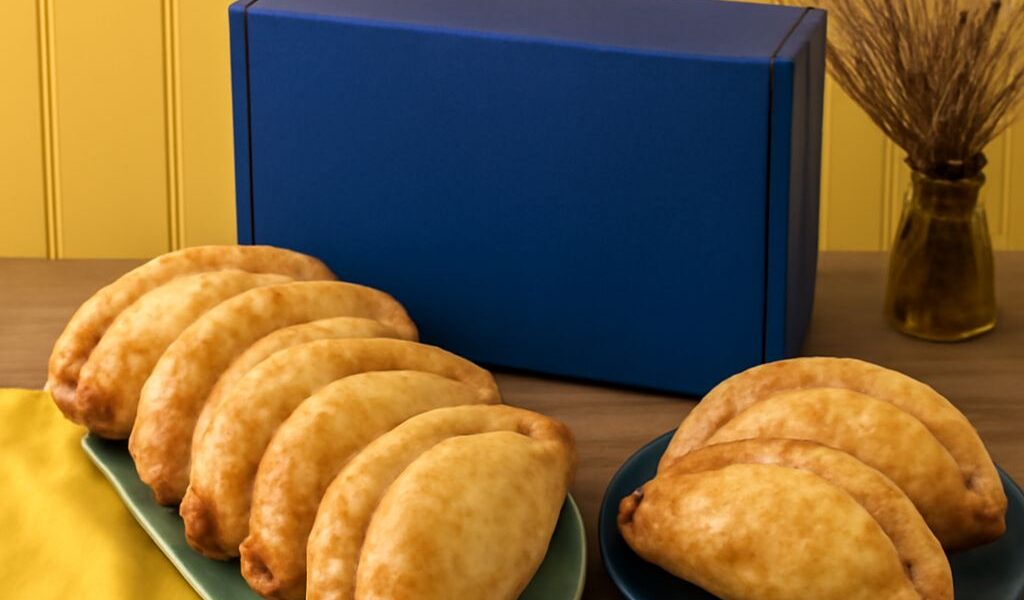
The origins of the Cornish pasty trace back centuries to Cornwall, a rugged region in southwest England. Historically, miners and laborers needed a meal that could be easily transported and eaten without cutlery. The solution was the pasty: a semicircular parcel of dough filled with meat, potatoes, swede (rutabaga), and onions, all encased in a thick, crimped crust designed to withstand hours in a lunch tin. This practical design made the pasty food of choice for workers, as the crust could be held with dirty hands and discarded after eating the filling, minimizing the risk of ingesting harmful residues.
As mining communities migrated or expanded, the Cornish pasty traveled with them, spreading to other parts of the United Kingdom and even reaching as far as Australia and the United States. In these new locales, the concept was adapted; what is a pasty in Michigan’s Upper Peninsula, for example, might feature beef, carrots, and a peppery seasoning, but the culinary spirit remains the same. Partial references to “pastie” and pasty food are found in records ranging from family cookbooks to mining logs, highlighting their essential role in everyday diets.
Today, the Cornish pasty is protected by European Union status, meaning only those crafted in Cornwall using traditional methods can carry the official name. This recognition preserves not just a recipe, but a unique slice of cultural heritage. Local bakers still pride themselves on perfecting the delicate balance of crust and filling, ensuring that every bite honors the past.
The journey of the pasty—from humble regional fare to internationally recognized snack—demonstrates how necessity, ingenuity, and tradition blend in deli and sandwich shop menus worldwide.
What Is a Pasty? Understanding the Pastie
So, what is a pasty? At its core, a pasty (or “pastie” in some variations) is a filled pastry, typically baked in a D-shape and sealed by crimping the edge. The classic Cornish pasty contains beef, potato, swede, and onion, all seasoned and baked together to produce a rich, comforting flavor. The pastry itself is robust enough to keep its shape, yet tender enough to offer a satisfying bite—a hallmark of the best pasty food.
Beyond the Cornish pasty, the term “pastie” can refer to a range of savory pastries found in delis and sandwich shops around the world. In some American regions, “pastie” is used interchangeably with pasty, and ingredients often vary based on local preferences and available produce. While some shops stick closely to the original, others experiment with fillings like chicken, cheese, or even vegetarian combinations, showing just how flexible this deli menu staple can be.
The technique of crimping and encasing a hearty filling in pastry allows for endless customization, making it a favorite among bakers and customers alike. Partial mentions of pasty food often highlight its convenience—easy to eat on the go and guaranteed to satisfy. No matter the variation, the essential appeal remains: a warm, portable meal with deep roots in comfort and tradition.
Ultimately, understanding what is a pasty means appreciating its role both as sustenance and as a touchstone for community, history, and creativity in deli and sandwich cuisine.
Why Pasties Are a Deli & Sandwich Menu Staple
Delis and sandwich shops have long recognized the value of offering pasty food on their menus. The Cornish pasty, as well as its many “pastie” cousins, fit seamlessly alongside sandwiches, providing hearty, filling options that are easy to prepare and serve. Their durable crust and self-contained design make them ideal for quick lunches or to-go orders, a key consideration for busy customers.
Another reason for the enduring popularity of pasties on deli and sandwich menus is their adaptability. While the classic Cornish pasty remains a bestseller, shops frequently rotate specialty fillings to reflect the seasons or cater to dietary needs, including vegetarian and vegan choices. This flexibility keeps the concept fresh while retaining the comfort-food qualities that make pasty food so beloved.
What is a pasty to a deli customer? Often, it’s a nostalgic treat that sparks memories of family kitchens or trips abroad. For others, it’s a novel alternative to a traditional sandwich, offering layers of flavor in every bite. The partial use of the term “pastie” across menus hints at the dish’s global journey and universal appeal.
Offering pasties builds a bridge between classic bakery traditions and contemporary deli fare, making them an essential choice for any shop aiming to satisfy both curiosity and hunger.
Enjoying Cornish Pasties Today
The modern deli and sandwich shop continues to celebrate Cornish pasties, whether served warm from the oven or wrapped for later enjoyment. Today’s customers can expect both faithful renditions of the original recipe and inventive takes that incorporate global flavors or dietary preferences. This evolution ensures that the Cornish pasty, and pasty food in general, remain relevant in an ever-changing culinary landscape.
Many establishments offer pairing suggestions, such as a crisp salad or a tangy pickle, to complement the savory filling. Partial uses of “pastie” highlight how these pastries are just as likely to appear at festive gatherings as in casual lunches—proof of their versatile nature. For those eager to experiment at home, countless recipes and baking tips are available, inviting both seasoned cooks and newcomers to try their hand at this storied classic.
What is a pasty in today’s world? It is a symbol of both tradition and innovation, bridging the gap between old-world kitchens and contemporary deli counters. Pasties continue to bring people together, providing a taste of history in every flavorful, golden bite.
So whether you’re a lifelong fan or a first-time diner, the next time you’re perusing a deli menu, don’t overlook the Cornish pasty. This iconic creation is more than just a meal—it’s a piece of culinary heritage waiting to be enjoyed.