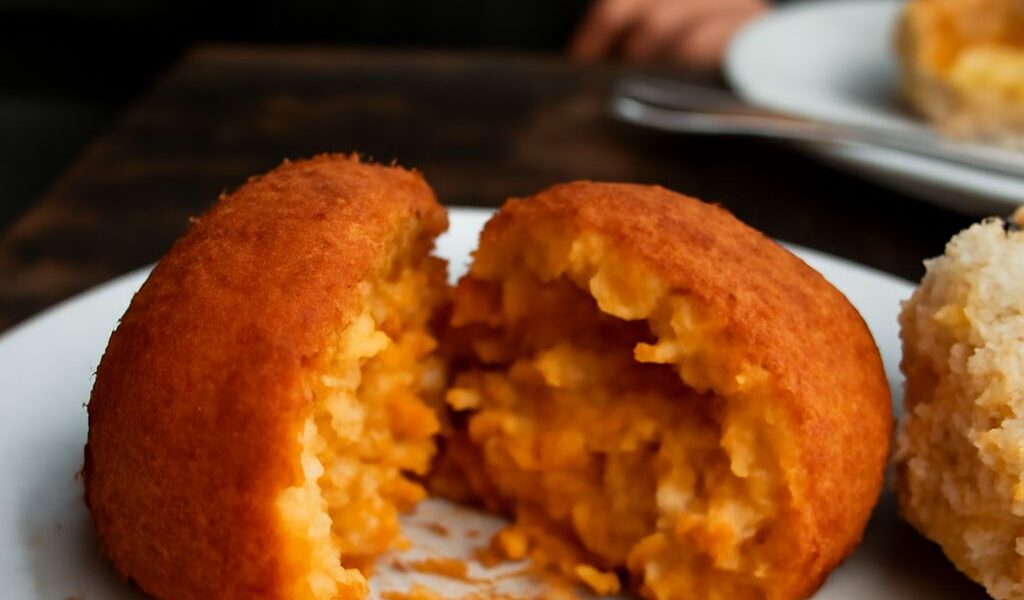
In the vibrant world of local dining, each meal is an opportunity to savor pleasant moments. For the gastronomically adventurous, the Who Dats culture offers a unique exploration of flavor. Here, the traditional tastes of archetypus, the zest of crawfish, and the sweetness of beignets invite diners to embrace culinary delight. This article delves into how these elements come together to create memorable dining experiences.
The Essence of Pleasant Moments
Understanding the Concept of Pleasant Moments
Pleasant moments in dining transcend the simple act of eating. They are crafted through a symphony of flavors, aromas, and emotions that coalesce to create a memorable experience. When visiting a restaurant, diners seek these moments as a respite from their daily routines, aiming to indulge in the sensory pleasures that local menus offer.
How Pleasant Moments Enhance Dining Experiences
These moments are not only about the food but the entire dining environment. From the ambiance to the service, every aspect contributes to the overall experience. Local menus, rich in cultural heritage and creativity, are designed to encapsulate these pleasant moments, offering diners a taste of authenticity and innovation.
Who Dats and Local Menus
Exploring the Who Dats Culture
The Who Dats culture epitomizes the fusion of tradition and modernity in local menus. Originating from a community that prides itself on its culinary identity, the Who Dats have cultivated a dining scene that celebrates regional ingredients and timeless recipes. This culture is characterized by a passion for bringing people together through food, turning every meal into a shared celebration of flavor.
Significance of Archetypus in Local Menus
Archetypus serves as a cornerstone in the Who Dats culinary tradition. This element represents more than just a dish; it is a narrative of local history and heritage. Archetypus encapsulates the essence of local menus, bridging the past with the present through its enduring appeal. As diners explore the Who Dats cuisine, they encounter the robust and hearty flavors that define this exquisite fare.
Crawfish and Beignets: A Culinary Delight
The Role of Crawfish in Local Cuisine
Crawfish, with its distinctive taste and cultural significance, plays a pivotal role in local menus. Known for its rich flavor and versatility, crawfish is a beloved ingredient that enhances a variety of dishes. Whether served as a main course or as a component of a larger dish, crawfish exemplifies the dynamic nature of Who Dats cuisine and its commitment to quality and tradition.
Beignets: The Sweet End to a Pleasure Moment
Beignets, the iconic sweet treat, provide the perfect conclusion to a savory meal. These fluffy pastries, dusted with powdered sugar, are more than just a dessert; they are a symbol of comfort and indulgence. Within the local menus, beignets represent the joy of dining, offering a sweet finale that leaves diners with lasting pleasant moments.
Creating Pleasure Moments Through Food
Curating Menus for Memorable Experiences
Creating menus that capture the essence of pleasant moments involves a careful balance of tradition and innovation. Chefs draw inspiration from classic recipes, infusing them with contemporary twists to surprise and delight diners. This approach ensures that local menus remain exciting and relevant, while still honoring the cultural roots from which they originate.
The Future of Local Menus in Creating Pleasure Moments As the culinary landscape continues to evolve, the future of local menus lies in their ability to adapt to changing tastes and preferences. By embracing sustainability and locally sourced ingredients, chefs can continue to craft memorable meals that resonate with diners. The Who Dats culture, with its emphasis on community and tradition, will play a significant role in shaping these future gastronomic experiences, ensuring that the pleasure moments they offer endure for generations to come.