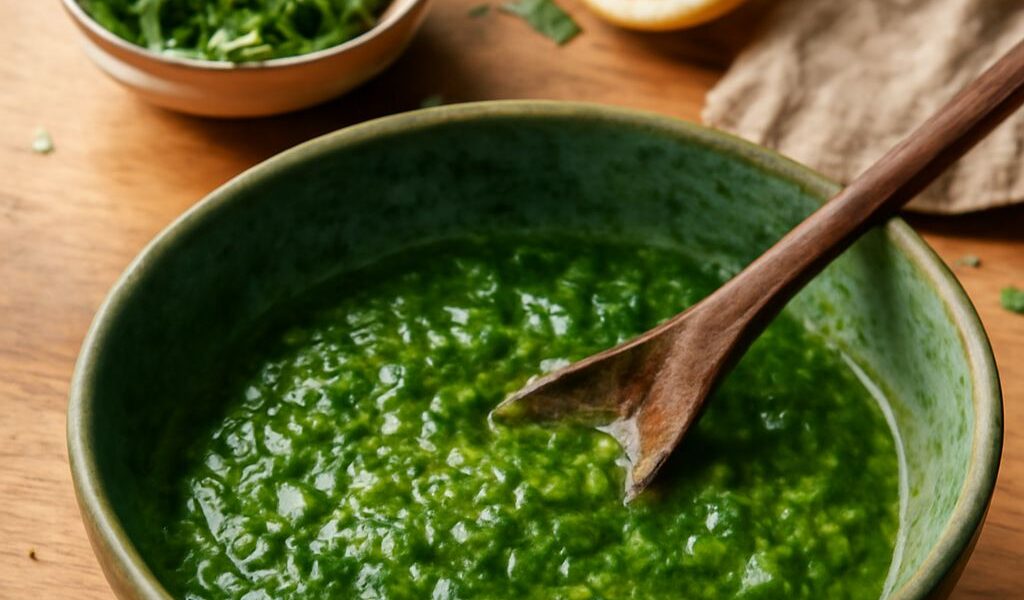
Chimichurri sauce is a vibrant and versatile condiment that originates from South America, particularly popular in Argentinian and Uruguayan cuisine. This uncooked sauce is a staple in many Latin American households, known for its ability to elevate grilled meats and vegetables. Its fresh ingredients make it a perfect accompaniment to a variety of dishes, bringing an authentic taste to your table. In this article, we will explore the essentials of chimichurri, how to make chimichurri with precision, and introduce you to some exciting variations.
What is Chimichurri Sauce?
Chimichurri sauce is often described as the Latin American answer to pesto. However, its flavor profile is distinctly unique. This green sauce is a blend of fresh herbs, garlic, vinegar, and oil, creating a zesty and aromatic condiment that complements grilled meats perfectly. Traditionally, chimichurri is served with beef, but its uses extend far beyond. It can be a marinade, a dressing, or a dipping sauce, offering a burst of flavor to any meal.
Despite its simple ingredients, the balance of flavors in chimichurri is what makes it truly special. The combination of fresh parsley, tangy vinegar, and robust garlic delivers a taste that is both refreshing and rich, embodying the essence of Latin American cuisine.
Chimichurri Ingredients: The Fresh Essentials
The foundation of a classic chimichurri sauce lies in its fresh ingredients. Here’s what you’ll need to gather:
- Parsley: This is the primary herb in chimichurri, providing a vivid green color and a fresh, earthy flavor.
- Garlic: Adds a pungent kick that enhances the overall taste.
- Red Wine Vinegar: Offers a tangy note that balances the richness of the oil.
- Olive Oil: The base that carries all the flavors, making the sauce smooth and silky.
- Oregano: Traditionally used in the sauce, giving it a slightly peppery edge.
- Red Pepper Flakes: Adds a hint of heat, which can be adjusted according to your preference.
- Salt and Pepper: Essential for seasoning and enhancing all the other flavors.
These ingredients are the heart of any chimichurri recipe, each playing a crucial role in creating a well-balanced sauce.
How to Make Chimichurri: Step-by-Step Guide
Creating your own chimichurri is a simple process that even novice cooks can master. Follow these steps for a perfect chimichurri sauce:
- Prepare the Herbs: Finely chop the parsley and oregano. Make sure to wash and dry the herbs thoroughly to prevent any excess moisture in the sauce.
- Mince the Garlic: Use a sharp knife to mince the garlic cloves finely.
- Mix the Ingredients: Combine the chopped herbs, minced garlic, and red pepper flakes in a bowl.
- Add Wet Ingredients: Pour in the red wine vinegar and olive oil. Stir the mixture well to combine all the ingredients.
- Season: Add salt and pepper to taste. Adjust the seasoning as necessary, keeping in mind that the flavors will meld as they sit.
- Let It Rest: For the best flavor, let the chimichurri sit at room temperature for at least 30 minutes before serving. This allows the flavors to develop fully.
And there you have it—a delightful homemade chimichurri ready to enhance your favorite dishes.
Chimichurri Recipe Variations
While the classic chimichurri recipe is a staple, there are many variations you can explore to suit your taste preferences:
- Cilantro Chimichurri: Substitute or add fresh cilantro for a different aromatic profile. This variation adds a citrusy dimension to the sauce, perfect for seafood or chicken.
- Lemon Chimichurri: Add freshly squeezed lemon juice along with or instead of vinegar. This brightens the flavor and pairs beautifully with grilled vegetables.
- Spicy Chimichurri: Increase the amount of red pepper flakes or add finely chopped fresh chili peppers for a spicier kick.
- Smoky Chimichurri: Incorporate a pinch of smoked paprika to introduce a smoky depth, complementing grilled meats with a barbecued flair.
These variations allow you to tailor the chimichurri to your meal and personal taste, ensuring that it remains a versatile and indispensable part of your culinary repertoire.


