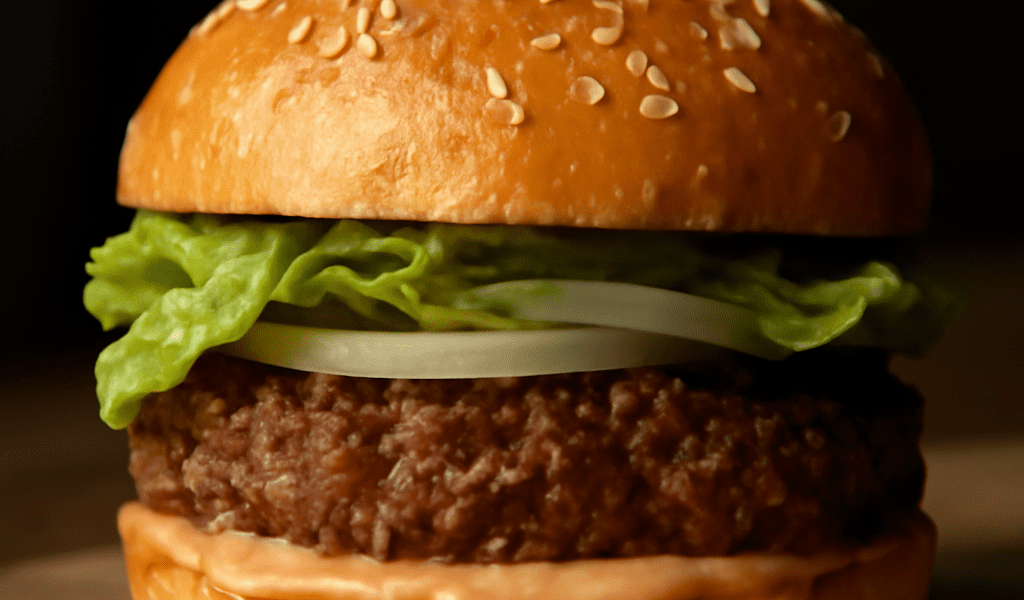
Shape ground bison gently, cook it over moderate heat, and use a food thermometer to reach 160°F in the center. This recipe for bison patties makes four satisfying sandwiches with a short ingredient list. The burgers made from bison have a rich flavor, and a little care with the lean meat helps keep them juicy.
Bison Burgers: Ingredients for Four
The best bison burger recipe for a weeknight is one you can make with a skillet, a thermometer, and a handful of pantry staples. This recipe for bison patties takes about 15 minutes to prepare and roughly 10 to 15 minutes to cook, depending on patty thickness and pan heat. Plan on four quarter-pound portions before cooking.
- 1 pound ground bison
- 1 tablespoon Worcestershire sauce
- 1 teaspoon olive oil, plus 1 teaspoon for the skillet
- 3/4 teaspoon kosher salt
- 1/2 teaspoon ground black pepper
- 4 burger buns
- 4 slices cheese, optional
- Lettuce, sliced tomato, onion, and condiments, as desired
Check the label on your Worcestershire sauce if you need to avoid fish: many versions contain anchovies. The oil adds a little richness, while the sauce seasons the meat. Choose toppings you enjoy, but have them ready before the patties go into the pan. Lean meat can move from done to dry while you search for the ketchup.
Shape and Cook
Here is how to make bison burgers in a skillet. A wide pan gives the patties room to brown; use two batches if they would otherwise be crowded.
- Put the meat in a bowl. Add the Worcestershire sauce, 1 teaspoon oil, salt, and pepper. Fold together with clean hands just until the seasonings are distributed.
- Divide into four equal portions. Gently form each into a patty about 3/4 inch thick and a little wider than the bun. Make a shallow indentation in the center of each with your thumb; this helps the patty stay flatter as it cooks.
- Heat the remaining teaspoon of oil in a large skillet over medium heat. Add the patties and cook for about 4 to 6 minutes on the first side. Turn once, then cook for roughly 4 to 6 minutes more, adjusting the heat if the outside darkens too quickly.
- Check each patty with an instant-read food thermometer. Insert the probe through the side into the center, avoiding the pan. Continue cooking until every patty reaches at least 160°F. If adding cheese, place a slice on each patty during the final minute and cover briefly to melt it.
- Transfer to a clean plate and rest for 3 minutes. Toast the buns if you like, then assemble with the toppings.
The times are a guide, not a doneness test. Pan size, starting temperature, and thickness all affect the result. When cooking bison burgers, check the smallest patty early and continue checking the others individually. If the center reads below 160°F, return it to the pan and check again after a short interval.
Use a Thermometer and Clean Tools
The USDA recommends 160°F for ground meat. For a thin patty, insert the thermometer from the side so the sensing tip reaches its center. Read the temperature in the thickest part and keep the probe away from the hot pan. The USDA also explains that color is not a reliable test.
Wash your hands, work surface, and tools after they touch raw meat. Use a clean plate and clean utensils for the cooked patties. Keep the meat refrigerated until preparation, and refrigerate leftovers promptly in a shallow container.
Keep the Meat Tender
This bison burger recipe works best when the meat is handled lightly. Pressing and kneading the mixture can make the finished patty dense. Mix only enough to spread the seasoning, and use a light touch when shaping each portion. Once the patties are in the pan, leave them alone until they release easily enough to turn; avoid pressing them with the spatula.
Different bison burger recipes use additions such as grated onion, egg, or breadcrumbs. Recipes for bison patties with these additions have a different texture and moisture; this simple mixture holds together through gentle shaping. If a patty cracks at the edge, press the crack together lightly before it hits the skillet.
Toppings and Budget
The bison burgers recipe above is deliberately flexible. Sharp cheddar brings salt and richness; lettuce and tomato add freshness. Mustard and thinly sliced onion give the sandwich bite without hiding the meat. Toasting the cut sides of the buns also helps them hold up to juices and condiments.
When comparing a recipe for ground bison patties with a restaurant order, look at the cost per serving: divide the meat and bun costs by four, then add the toppings you will use. A package of cheese or a bottle of sauce may cost more at checkout but can serve several meals. If you are making only two sandwiches, shape and freeze the remaining raw portions promptly, following the package’s handling directions.
If the Patties Turn Dry
A firm, crumbly patty with little juice is a sign that it has cooked too long or been packed too tightly. Serve it with a moist topping such as sautéed onions or a spoonful of sauce. Next time, shape the portions more gently and begin checking the temperature earlier, removing each as soon as it reaches 160°F. For the best recipe for bison patties, keep a note of the timing that worked with your pan.