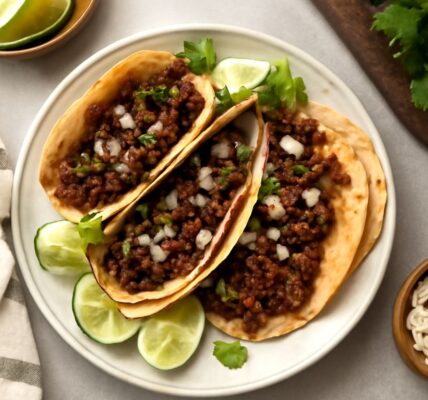
Choose a setup that can serve your guests within the time available and fit the space you actually have. Catering with tacos can arrive as a truck, a staffed cart, or a buffet table. A taco truck serving your event brings a visible cooking station, while a cart or taco bar may fit a venue where a vehicle cannot park.
Taco Truck Catering: Space and Service
Taco truck catering puts the kitchen and serving window in one vehicle. It can be a good fit for an outdoor party with a level parking area, a clear route for arrival, and room for guests to queue without blocking a walkway. Ask the venue whether the vehicle is allowed, where it can park, and whether its generator, propane, or other equipment is permitted.
Send the caterer a photo or site plan with the entrance width, overhead clearance, slope, and distance from the parking spot to the guests. Confirm who handles any required venue permissions. When booking a truck to cater tacos, allow time for it to park and set up before guests arrive. Some operators offer a cart when truck access is limited; for example, Leo’s Tacos lists both options for events, with the menu depending on the setup.
A truck cooking tacos for a catered party may offer made-to-order food, but one window can concentrate a line. Ask how many staff will cook and serve, how many orders they expect to complete per hour for your menu, and whether guests order individually or select from a short set menu. Catering with a taco truck still needs a service plan that accommodates your meal window, even when parking is adequate.
Cart, Table, or Taco Bar
Taco cart catering can bring a staffed cooking or serving station closer to the gathering. It usually needs less space than a vehicle, but it still needs a clear route through doors and enough room for the cart, staff, equipment, and a queue. Ask about power, fuel, ventilation, ground protection, and whether the venue permits cooking in that location. A cart may have a smaller menu or need a separate preparation area.
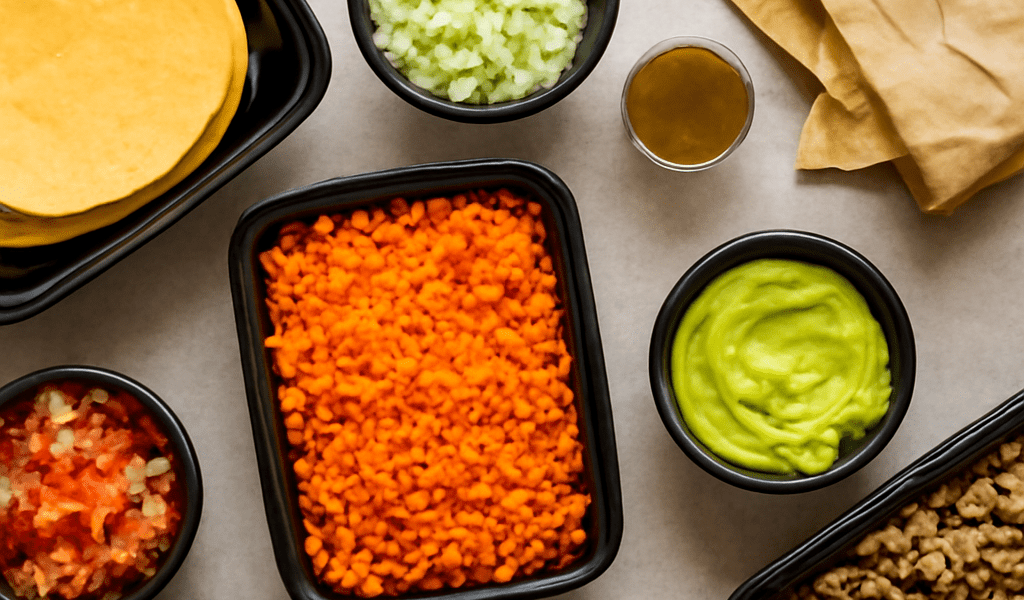
A taco bar can be delivered for self-service or staffed and replenished by the caterer. It needs table space, serving utensils, a plan to hold hot and cold items safely, and a person responsible for refilling food and tidying spills. A self-service line can move quickly when guests can reach tortillas, fillings, and toppings in a logical order, but it also requires enough room for people to assemble their plates.
Catering from a taco cart is appealing when guests want freshly assembled food and the venue has access for equipment but no truck parking. A delivered table is easier to position inside a meeting room, provided someone can manage service and cleanup. Compare the actual staff and equipment in each quote; the name of the format alone does not establish what is included.
Plan Portions and the Queue
Tell each vendor whether tacos are the full meal or one part of a larger spread. Ask how many tacos, tortillas, and ounces of filling are included per guest, and whether guests can return for more. Also confirm the number of proteins, vegetarian filling, toppings, sides, and drinks. A package described as serving 100 might assume a different appetite or service style from another offer.
For a rough planning example, 100 guests offered three tacos each need 300 tacos. If the meal window is 90 minutes and everyone eats during it, that averages about 200 tacos per hour. Arrivals rarely happen evenly: many guests may line up at once. Give the vendor the schedule and ask for a realistic plan for the peak, including a second server, a second line, or staggered table releases if needed. This is a calculation for discussion, not a guarantee of throughput.
For taco catering, the number of people on site matters as much as the equipment. One person may cook while another takes orders and hands out plates; a buffet may need a dedicated attendant to refill pans. Ask who clears packaging, handles trash, and packs leftovers, and whether those hours are part of the service or billed separately.
Compare Quotes on the Same Terms
Request taco catering proposals for the same guest count, date, location, menu, and service window. Include setup and breakdown times and tell vendors whether they need to bring tables, plates, napkins, serving equipment, and trash removal. For a taco truck catering quote, include the parking plan and expected queue location. For catering with a taco cart, include door widths and whether cooking is allowed indoors.
Compare the total rather than only the headline price per person. Look for minimum spend, travel or delivery charges, staffing, taxes, service charges, gratuity, overtime, and equipment fees. Ask what happens if the final guest count changes, when it must be confirmed, and what the deposit, cancellation, and weather terms are. Have each offer specify the quantities included and the cost of additional food or service time.
Dietary needs belong in the request too. Tell vendors about allergies in advance and ask what is in tortillas, marinades, sauces, and shared cooking areas. FoodSafety.gov recommends discussing allergies and safe food holding with a caterer before the event.
Choose for Your Event
Imagine 100 guests at an office lunch with only 90 minutes for service and no truck access to the courtyard. A catered taco cart may work if it fits the entrance and the operator can demonstrate a service plan for the peak. A staffed taco bar with two access points could be a better choice if the venue has enough table space and the quote includes replenishment and cleanup.
For a party with easy outdoor parking and a longer, staggered meal, catering from a taco truck may suit the setting and give guests a freshly prepared meal. Choose the offer that fits the site, covers the portions you need, and states how its staff will serve your crowd within the available time.