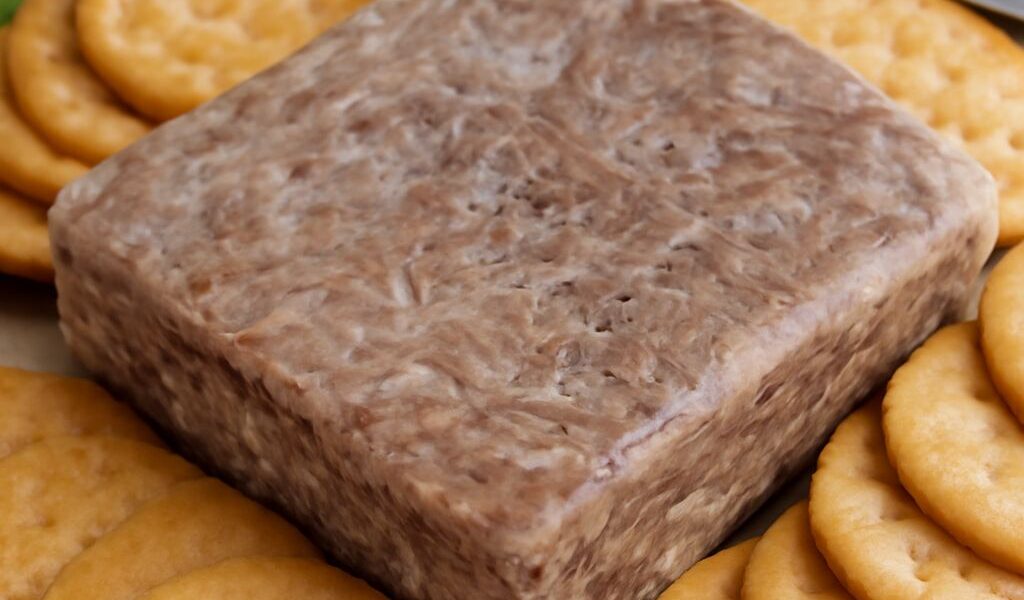
Head cheese is a unique and intriguing deli product that has captured the curiosity of food enthusiasts around the world. But what is head cheese, and why has it garnered such interest? This article delves into its rich history, preparation methods, and culinary applications, offering an engaging exploration of this traditional delicacy.
What is Head Cheese?
Head cheese is a traditional cold cut that, despite its name, contains no cheese. It is made from the flesh of a pig’s head, often including other parts such as feet and heart, which are simmered and then set in a gelatinous broth. This robust, savory dish is known for its complex flavors and distinctive texture.
Though often associated with European cuisine, head cheese has found its way into various culinary traditions worldwide. It is enjoyed in sandwiches, served with pickles, or sliced thin as part of a charcuterie board. Its adaptability and unique taste make it a favorite among deli connoisseurs.
The History of Head Cheese
Head cheese has a rich and storied history, dating back to the Middle Ages. Originally crafted as a way to utilize the entire animal, it became a staple in many European households. Its preservation method allowed it to be stored for extended periods, making it invaluable in times when fresh meat was scarce.
Over the centuries, head cheese has evolved with regional variations appearing across Europe, North America, and beyond. Each culture adds its own twist, from spices and herbs to regional vegetables, creating a tapestry of flavors that reflect local culinary traditions.
How Head Cheese is Made
The process of making head cheese begins with simmering the pig’s head, often accompanied by aromatic vegetables and spices. This slow cooking breaks down the collagen, resulting in a rich, flavorful broth that sets into a jelly-like consistency as it cools.
Once the meat is tender, it is deboned and finely chopped. The chopped meat is then mixed with the gelatinous broth and poured into molds to set. This method creates a marbled appearance and a unique texture that is both tender and firm, making it a textural delight.
Culinary Uses of Head Cheese
Head cheese’s versatility makes it a cherished addition to many culinary scenarios. Often sliced thin and served on sandwiches, it provides a hearty and flavorful filling. Paired with fresh bread and crisp vegetables, it makes for a satisfying meal.
Beyond sandwiches, head cheese shines on charcuterie boards, where its rich flavors complement cheeses, olives, and pickles. It can also be diced into salads or served as a standalone appetizer, showcasing its multifaceted appeal.
Nutritional Value and Considerations
Head cheese offers a rich nutritional profile, being high in protein and essential minerals such as iron and zinc. However, it is also relatively high in fat and sodium, which should be considered for those on restricted diets.
When enjoyed in moderation, head cheese can be a nourishing component of a balanced diet. Its traditional preparation methods preserve many nutrients, making it not only a flavorful choice but a nutritious one as well.
In summary, head cheese is more than just a deli product; it’s a culinary experience that offers a glimpse into historical preservation techniques and diverse culinary applications. Whether you’re a seasoned epicurean or a curious newcomer, exploring head cheese can be a rewarding journey into the world of traditional delicacies.
