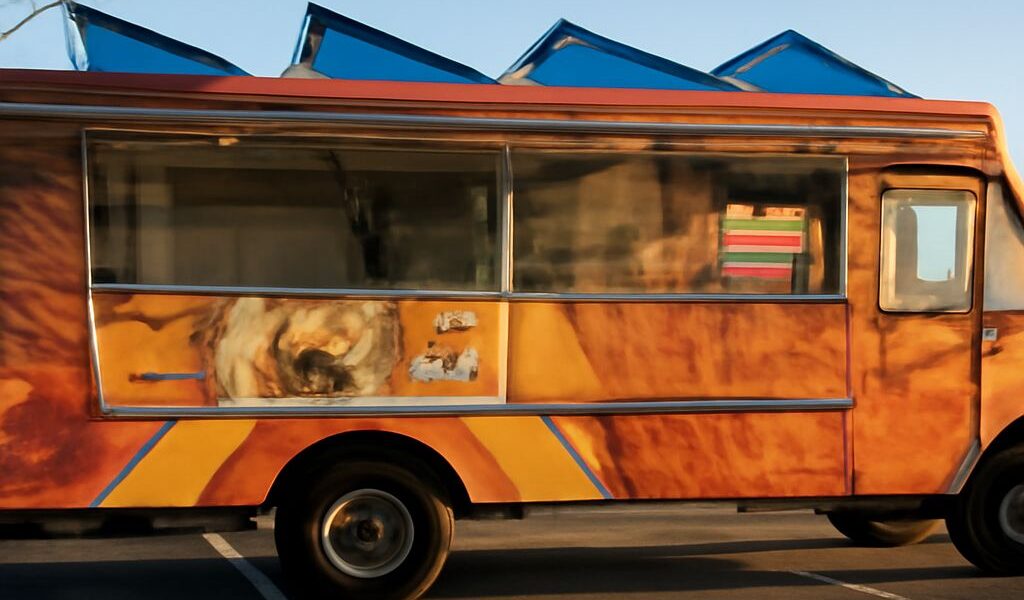
The Filipino food truck scene is taking the Mexican & Latin street food culture by storm. With the rise of Filipino fusion, food lovers are flocking to these trucks to experience an exciting blend of flavors that captures the heart of Filipino tradition while merging seamlessly with the vibrancy of Mexican and Latin influences. Fans of Mexican & Latin cuisine now have a new culinary adventure, as the Filipino food truck brings dishes that are both familiar and refreshingly different.
As the popularity of Filipino fusion continues to grow, it’s clear that this movement is more than a fleeting trend. Combining heritage recipes with local Latin ingredients and cooking styles, these food trucks are redefining street eats and bringing communities together over bold, unforgettable flavors.
The Rise of the Filipino Food Truck
The journey of the Filipino food truck began as small, family-run ventures in diverse neighborhoods, catering first to the Filipino diaspora and then gradually attracting adventurous foodies from across the cultural spectrum. Early on, these street vendors brought classic dishes like adobo, lumpia, and pancit to the streets, but soon realized the immense potential of adapting their offerings to local tastes by exploring fusion with Mexican & Latin favorites.
In cities with large Mexican & Latin populations, the presence of the Filipino food truck has become an emblem of multicultural harmony. Entrepreneurs saw an opportunity to showcase beloved Filipino flavors to an audience already passionate about street food. This led to a creative explosion—tacos stuffed with kare-kare, sisig quesadillas, and ube churros are just a few of the inventive creations now delighting crowds at markets and festivals.
The Filipino food truck movement has also benefited from social media buzz and word-of-mouth recommendations, drawing long lines eager to try something new yet comfortingly familiar. These mobile kitchens have become gathering spaces, where people from different backgrounds connect through a shared appreciation of bold, comforting food.
What Makes Filipino Fusion Unique?
Filipino fusion is unlike any other culinary trend on Mexican & Latin streets. Rooted in centuries-old traditions and heavily influenced by Spanish, Chinese, and indigenous Filipino culinary heritage, Filipino food is naturally suited for adaptation and experimentation. Fusion cuisine emerges when chefs combine traditional Filipino preparations—such as marinating meats in vinegar and soy, or grilling over charcoal—with Latin ingredients like corn tortillas and salsas.
The signature of Filipino fusion lies in its ability to harmonize sweet, sour, salty, and umami in a single bite. Dishes often feature tangy calamansi, earthy annatto, or rich coconut cream, melding beautifully with smoky chipotle or zesty lime found in Mexican & Latin kitchens. This culinary approach breaks boundaries, resulting in experiences that are both nostalgic and innovative for Filipino and Latin diners alike.
Street vendors have mastered the art of balancing authenticity with creativity, ensuring that even when a dish is remixed—say, a tamale stuffed with chicken adobo or an elote sprinkled with crispy garlic and bagoong—it retains the soul of its roots. Filipino fusion doesn’t just borrow flavors; it celebrates the vibrant spirit of both cultures.
Popular Filipino Food Truck Dishes with a Latin Flair
Food trucks specializing in Filipino fusion are renowned for their inventive takes on beloved classics. Signature dishes often include lumpia tacos, where crispy spring rolls are nestled inside warm tortillas and topped with fresh pico de gallo, bridging the gap between Filipino finger food and Mexican street eats. Sisig tostadas, another favorite, feature sizzling pork with a punchy citrus marinade atop crispy corn chips, marrying Filipino technique with Latin presentation.
Another best-seller is lechon belly burritos, wrapping succulent roast pork, garlic rice, and achara (pickled papaya) in a soft flour tortilla—a nod to both the Filipino tradition of lechon and the ever-popular burrito of Mexican & Latin cuisine. For a sweet finish, ube-infused churros and halo-halo sundaes are often on the menu, offering a colorful blend of Filipino and Latin desserts.
These inventive Filipino fusion dishes not only draw crowds but also serve as a delicious introduction to the diverse flavors of both culinary worlds. Food trucks remain the perfect playground for these chefs, allowing them to experiment and adapt their menu to the tastes and preferences of local communities.
Why Filipino Fusion is a Perfect Fit for Mexican & Latin Cuisine
The culinary connection between Filipino fusion and Mexican & Latin cuisine runs deep. Both traditions share a love for bold spices, slow-cooked stews, and communal meals, making them natural partners on the street food scene. Filipino food truck owners have expertly woven elements like adobo marinades into taco fillings, or layered garlic rice underneath carne asada, showing that the flavors are not only compatible but also complementary.
One key reason for the harmonious fit is the shared colonial history between the Philippines and regions of Latin America, especially Mexico. Ingredients such as chiles, tomatoes, and corn traveled the Manila-Acapulco Galleon trade route, leaving lasting marks on both food cultures. This historical connection is now being celebrated and reinvented through vibrant, modern fusion dishes served from Filipino food trucks across Mexican & Latin neighborhoods.
Diners appreciate this synergy, recognizing echoes of their grandmother’s kitchen in the tang of sinigang or the crunch of chicharrón. Filipino fusion doesn’t just introduce new flavors; it sparks memories, builds bridges, and enriches the ever-evolving story of street food.
Where to Find the Best Filipino Food Truck Experiences
Filipino food trucks can be found at bustling farmers markets, night bazaars, and street fairs in major Mexican & Latin cities. From Los Angeles to Mexico City, and even in smaller towns with vibrant urban scenes, these mobile eateries draw diverse crowds eager for a taste of something unique. Social media is a reliable resource—many Filipino food truck owners update their followers daily on their locations, special menus, and pop-up events.
To find the best Filipino fusion experiences, look for trucks with long lines and enthusiastic crowds. Don’t be shy about asking for recommendations from locals or exploring neighborhoods known for culinary innovation. Popular trucks often collaborate with Latin chefs, host fusion festivals, or participate in community fundraisers, ensuring their offerings are fresh, evolving, and deeply rooted in both traditions.
For foodies seeking adventure, the Filipino food truck is more than a place to eat—it is a gateway to a world of flavor where cultures collide, reinvent, and celebrate together. Every dish tells a story, and the next great bite is always just around the corner.
