Tasty Pizza: Exploring Red Pizza, Curry Menu, Pizza and Curry, and Pizza Chef Gourmet Pizza Menu
Pizza is one of the world’s most beloved foods, and when it’s done right, it earns its reputation as the ultimate crowd-pleaser. A truly tasty pizza starts with exceptional dough and builds through quality toppings to a finished product that’s greater than the sum of its parts. Whether you’re a devotee of classic red pizza with perfect tomato sauce, exploring a restaurant that offers both a curry menu and pizza, seeking out the creative combination of pizza and curry, or looking for the refined offerings of a pizza chef gourmet pizza menu, this guide covers the full landscape of modern pizza dining.
Pizza culture has never been more diverse or exciting. The proliferation of regional styles, international influences, and artisan approaches has produced a pizza landscape that rewards exploration. Understanding the principles behind great pizza — regardless of style or topping — helps you appreciate and identify quality in every variation.
What Makes a Tasty Pizza Truly Exceptional
The Foundation of a Tasty Pizza A tasty pizza begins with its dough — the foundation that determines the texture, flavor, and structural integrity of everything that follows. Quality pizza dough uses high-protein flour (typically “00” Italian flour or high-gluten bread flour), adequate hydration for the style being made, a long cold fermentation that develops flavor complexity, and proper proofing before shaping. A tasty pizza dough has flavor of its own — a slight tang from fermentation, a gentle yeastiness, and enough character to contribute meaningfully to the overall flavor profile rather than serving merely as a vessel for toppings. Getting this foundation right is what separates a truly tasty pizza from one that’s merely adequate.
Toppings That Make a Tasty Pizza Great
The best tasty pizza operations understand the principle of topping restraint: the best pizzas are typically those with fewer, higher-quality ingredients rather than those piled with quantity. Quality San Marzano tomatoes for the sauce, fresh-pulled mozzarella rather than shredded block cheese, and seasonal toppings used in season produce a tasty pizza that’s impossible to improve through addition. The cooking environment matters equally: a proper wood-fired or deck oven reaching 700–900°F produces the characteristic leopard-spotted char on the crust and rapid melting of the cheese that cannot be replicated in a conventional home oven. A tasty pizza cooked at the right temperature in 90 seconds in a wood-fired oven will always outperform one baked for 12 minutes at 450°F.
Red Pizza: The Classic Tomato Foundation
What Defines a Great Red Pizza A classic red pizza — built on a tomato sauce base — is the foundation of Italian pizza tradition and remains the standard against which all other pizza styles are measured. The red pizza’s sauce should be made from quality crushed or pureed tomatoes (San Marzano or similarly high-quality varieties), seasoned simply with salt, fresh basil, and perhaps a drizzle of olive oil — nothing that would introduce off-flavors or mask the tomato’s natural sweetness and acidity. A properly made red pizza sauce is applied thinly and evenly, leaving adequate space around the edges for crust development. The red pizza at its purest — a Margherita with tomato, fresh mozzarella, and basil — is one of the most satisfying dishes in the entire culinary canon.
Red Pizza Variations Worth Exploring
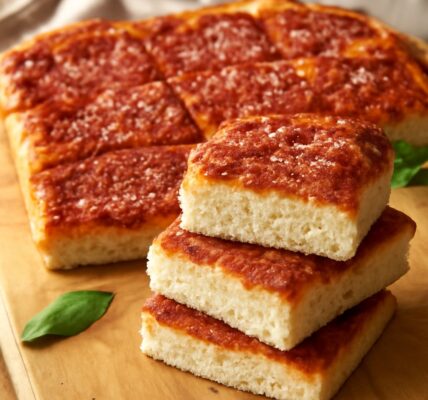
Beyond the classic Margherita, the red pizza tradition encompasses an enormous range of regional variations. The Roman-style red pizza (pizza al taglio) features thicker, airy focaccia-like dough sold by weight from long rectangular pans. The Sicilian red pizza (sfincione) uses a thick, spongy dough topped with onions, anchovies, breadcrumbs, and tomato sauce. New York-style red pizza features a crispy-chewy crust under a generous layer of cooked tomato sauce and shredded low-moisture mozzarella. Each regional red pizza tradition reflects the specific flour, water, and oven traditions of its home — making the exploration of red pizza styles one of the most rewarding culinary journeys available.
Curry Menu, Pizza and Curry, and Pizza Chef Gourmet Pizza Menu
The Curry Menu: Bold Flavors That Complement Pizza A restaurant that offers both great pizza and a serious curry menu has found an unlikely but genuinely satisfying combination. The curry menu at pizza-adjacent restaurants typically features Indian-inspired preparations: tikka masala, korma, vindaloo, and balti — rich, spiced sauces with various proteins that share some flavor DNA with pizza’s own tomato and spice tradition. A curry menu at a pizza restaurant also opens creative possibilities: curry-spiced pizza sauce, paneer and tikka masala pizza toppings, and naan-based pizza preparations that bridge the two culinary traditions. The curry menu adds warmth, complexity, and variety to what might otherwise be a one-note dining experience.
Pizza and Curry and Pizza Chef Gourmet Pizza Menu
The pairing of pizza and curry represents one of the most creative intersections in contemporary dining — two globally beloved food traditions finding common ground in their use of warm spices, tomato-based sauces, and bold flavor layering. Pizza and curry fusion dishes include tikka chicken pizza, lamb keema flatbread, and paneer saag pizza that use Indian spice profiles as the foundation for pizza topping development. The pizza chef gourmet pizza menu format takes these possibilities to their logical extreme — a menu developed by a pizza-focused chef who approaches the format with the same seriousness a fine dining chef brings to classical cuisine. A pizza chef gourmet pizza menu might feature truffle-topped white pies, seasonal mushroom preparations with imported cheeses, and innovative dough variations including whole-grain, heritage wheat, and alternative-flour options that expand what pizza can be.