Heat the oven, mix flour with baking powder, and you can make pizza dough without waiting for it to rise. This quick pizza dough recipe uses no yeast and rolls into two thin bases, so dinner can go in as soon as the oven is ready.
The result is crisp at the edges and more like a thin flatbread than a puffy, chewy pizzeria crust. Choose it when speed and a light crunch matter most, and use a modest layer of toppings so the center cooks through.
No Rise Pizza Dough Recipe: Ingredients and Method
This no rise pizza dough recipe makes two thin 12-inch pizzas, enough for four servings with a salad. Allow about 15 minutes to mix and shape, plus 9 to 11 minutes to bake each batch. Preheat the oven while you work.
For the dough, gather:
- 2 cups all-purpose flour, plus a little for rolling
- 1 teaspoon baking powder
- 1/2 teaspoon table salt
- 2 tablespoons olive oil
- 1/2 cup water, plus a little more if needed
For topping, use about 2/3 cup pizza sauce and 2 cups shredded cheese in total. Add cooked vegetables or cooked meat if you like. The proportions and rolling method are adapted from King Arthur Baking’s St. Louis-style pizza.
- Heat and prepare. Set the oven to 425°F and lightly oil two 12-inch pizza pans or baking sheets. If only one sheet fits, bake the pizzas one at a time.
- Mix the dry ingredients. Whisk the flour, baking powder, and salt in a bowl. Add the oil and water, then stir until a shaggy dough forms.
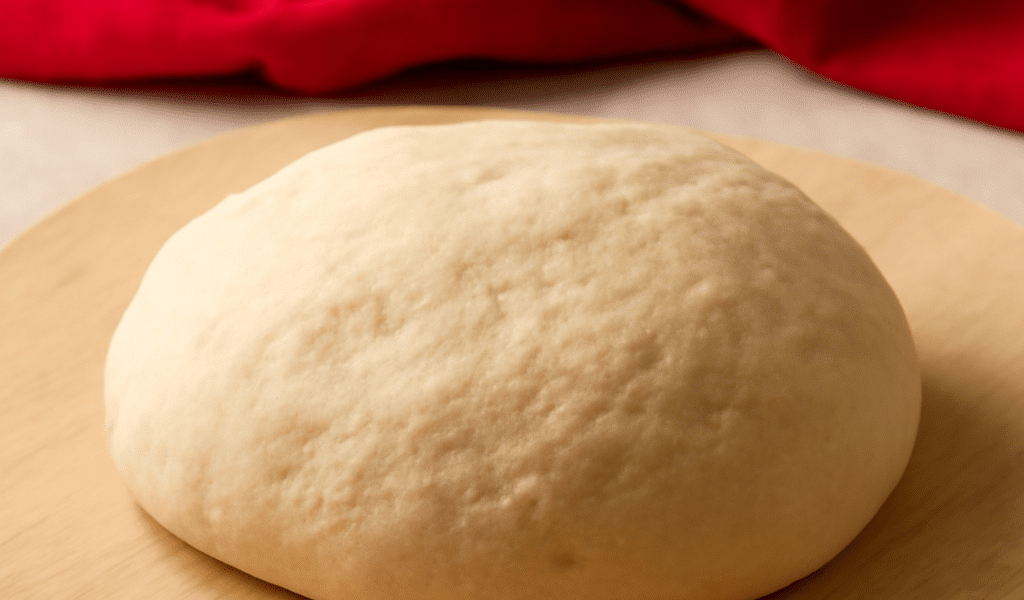
- Bring it together. Press the pizza dough that needs no rise into a ball. If dry flour remains and the dough will not hold together, add water a teaspoon at a time. It should be firm and cohesive, not wet or sticky.
- Roll thin. Divide into two pieces and flatten each into a disk. Roll each between lightly greased sheets of parchment or on a floured surface to about 1/8 inch thick. Transfer to the prepared pans and patch any tears with dough.
- Top and bake. Spread roughly 1/3 cup sauce on each base, leaving a border. Divide the cheese and any extra toppings between them. Bake for 9 to 11 minutes, until the edges and underside are golden and the cheese has melted and begun to brown.
- Slice and serve. Move pizzas to a rack, then cut into squares or wedges. Let the pan cool before using it for another batch.
This recipe for pizza dough without a rise lets you roll the dough immediately. If it springs back so much that it will not hold its shape, cover it and let it relax for 10 to 15 minutes, then roll again. That short pause makes shaping easier; it is not a fermentation step.
What to Expect From the Crust
A no rise pizza crust bakes thin and crisp, with a compact interior. Baking powder supplies gas as the dough is mixed and heated, while rolling it thin encourages a cracker-like bite. It will not develop the large, airy rim associated with a long-fermented dough.
In this dough, a little oil adds richness and helps make the base pleasant to bite. Use the measured amount of baking powder: extra can leave an unpleasant taste, while old powder may give less lift. Keep this pizza dough without a rising period covered only if you pause before rolling; exposed surfaces can dry out and become difficult to seal.
No rise pizza dough is a practical choice for a weeknight because the ingredients are common and preparation fits around oven preheating. This quick recipe for pizza dough without rising can also make smaller rounds for individual portions; start checking them early because thinner or smaller pieces may brown sooner.
How It Differs From a Short Yeast Rise
A fast yeast dough still depends on yeast fermenting sugars and producing gas during a rest. Even a short rise gives the dough some time to expand and develop a different texture and flavor. A longer fermentation can build more complexity, but it also requires more planning.
This recipe for pizza dough with no rising uses baking powder and skips the wait. It is ready to shape as soon as it comes together, and its flavor comes mainly from the flour, oil, and toppings. For a soft, chewy edge, choose a yeast-based recipe for pizza dough with a rise and allow the time it specifies. For a crisp base now, this recipe for pizza dough that skips rising is the better fit.
Toppings, Timing, and Troubleshooting
For a pizza crust made without rising, keep sauce thinly spread: too much moisture can leave the middle soft before the edges brown. Drain wet ingredients such as canned mushrooms or fresh mozzarella, and cook raw sausage before adding it. Slice vegetables thinly or cook them first if they need more time than the pizza has in the oven.
For a crisp pizza base without a rise, give each pizza room on its own pan and check the underside with a spatula near the end of baking. Ovens and pans vary, so use color as well as the clock. If the cheese browns before the bottom, move the pan to a lower rack for the last few minutes and watch closely.
This no rise pizza dough also works well with a cheese topping when you want to compare costs with takeout: count the flour, sauce, cheese, and any extras you actually use. A pantry staple bought for several meals should be counted by the portion used, not its whole package price.
If this pizza crust without a rising period looks pale in the center or bends under the toppings, it likely needs more direct heat or carries too much moisture. Bake it a little longer on a lower rack; next time, roll evenly and use less sauce or fewer wet toppings. If your quick, no-rise pizza base has a hard and dark edge, check earlier on the next batch and roll the perimeter slightly thicker.